An illustrated dictionary of words used in art and archaeology. Explaining terms frequently used in works on architecture, arms, bronzes, Christian art, colour, costume, decoration, devices, emblems, heraldry, lace, personal ornaments, pottery, painting, sculpture, &c., with their derivations (1883)
Mollett, John W. (John William) · London, S. Low, Marston, Searle and Rivington · leaf 113
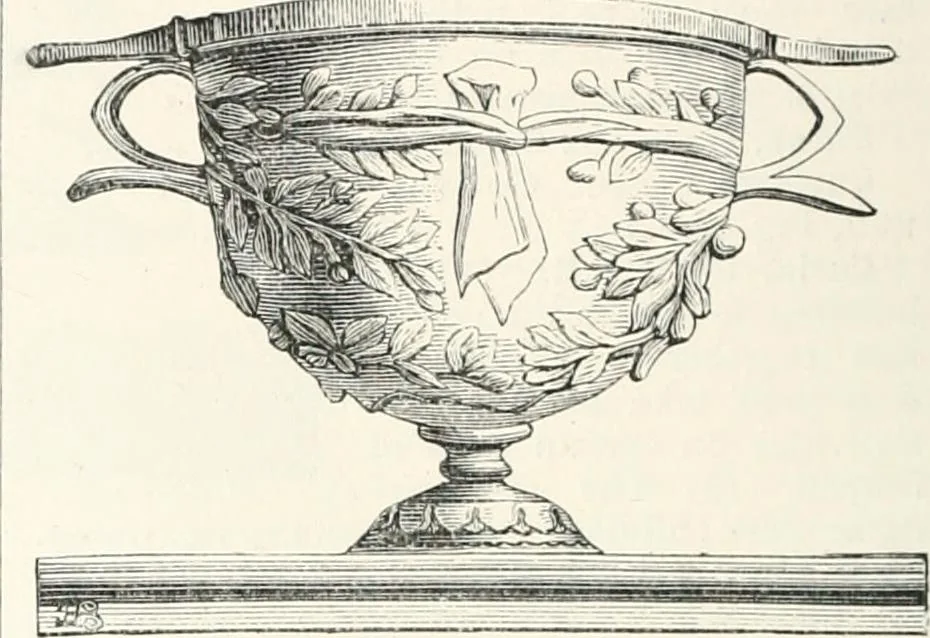
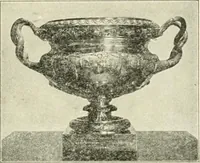
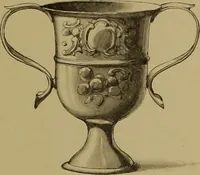
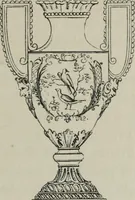
as Pelasgiaii, as being the work of Pelasgianswho had learned in the school of Phoenicianworkmen called Cyclopes. These ancientstructures are formed of enormous irregularly-shaped stones (Fig. 231), placed one abovethe other without cement or mortar. Remainsof them are found in Asia Minor, Greece,… … Fig. 231. Cyclopean Masonry.(K\jK\unrtiov). Ancient structures, also known Fig. 232. Cylix. A Gallic drinking-cup. very shallow, of a circular form, with twohandles, and mounted on a tolerably tall foot.Fig. 232 shows a silver cylix or Gaulish cup,found in the ruins of Alisia. Cyma, Cymatium (Eng.…
Art -- Dictionaries · Archaeology -- Dictionaries
Internet Archive · Getty Research Institute · Public Domain Mark 1.0. Free to use for anything.