An illustrated dictionary of words used in art and archaeology. Explaining terms frequently used in works on architecture, arms, bronzes, Christian art, colour, costume, decoration, devices, emblems, heraldry, lace, personal ornaments, pottery, painting, sculpture, &c., with their derivations (1883)
Mollett, John W. (John William) · London, S. Low, Marston, Searle and Rivington · leaf 155
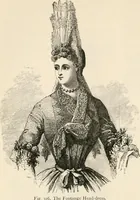
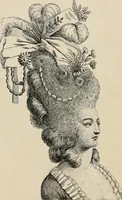
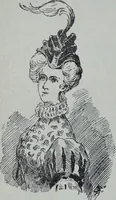
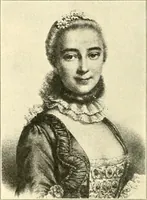
Fig. 325. Early English Font. Foreshortening. The art of representingobjects on a plane surface as they appear to theeye in perspective. Forfex, R. (i) Large scissors or shears used tocut hair or shear animals. (2) A clip, in theform of shears, for raising weights. (Fig. 327.)Fig. 328 represents a… … ral, fores denotes a folding-door withtwo leaves, as, for instance, forescarccris, the door of the stalls in acircus. Forks were not in general useearlier than the 14th century. One ofthe earliest occasions on which a forkis mentioned informs us that John,Duke of Brittany in 1306, had one to pick…
Art -- Dictionaries · Archaeology -- Dictionaries
Internet Archive · Getty Research Institute · Public Domain Mark 1.0. Free to use for anything.