An illustrated dictionary of words used in art and archaeology. Explaining terms frequently used in works on architecture, arms, bronzes, Christian art, colour, costume, decoration, devices, emblems, heraldry, lace, personal ornaments, pottery, painting, sculpture, &c., with their derivations (1883)
Mollett, John W. (John William) · London, S. Low, Marston, Searle and Rivington · leaf 185
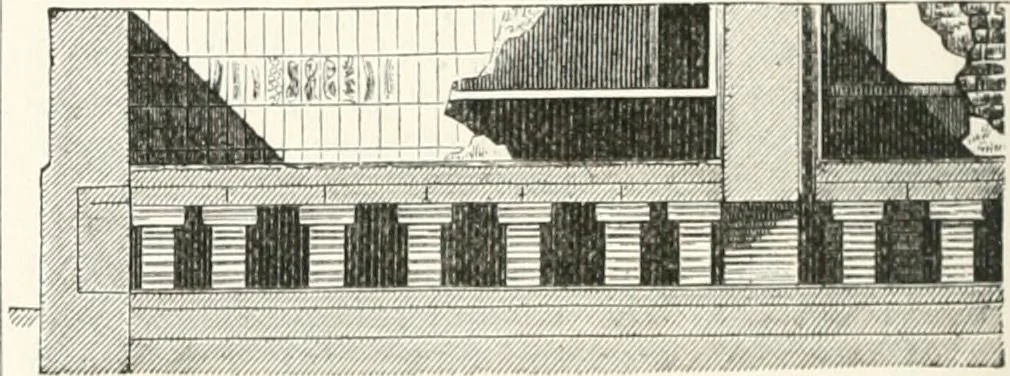
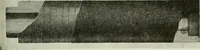
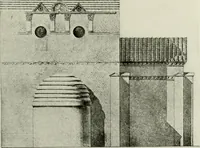
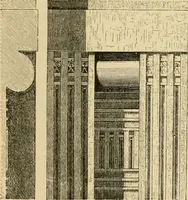
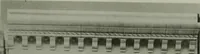
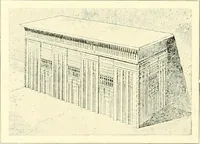
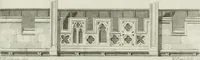
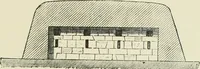
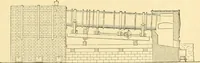
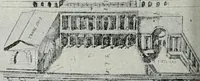
Fig. 393. Hypocausis of a Roman villa at Tusculum. Hypaetlirum, Gr. and R. A grating ordaiistra placed over the principal door of atemple for the purpose of admitting light into apart of the cella. Fig. 392 shows one of th(^bronze doors of the Pantheon at Rome, withits hypdthrinn. Hyperthyrum, Gr.… … Fig. 392. Hyp.elhruiii Fi^. 394. Hypocausis discovered at ians. Hypocaust, Gr. and R. (wcJ-Kauo-is andinr6-Kav(TTov). A furnace with flues runningunderneath the floor of an apartment or bath,for heating the air. Fig. 393 represents thesectional elevation of a bath-room discoveredin a Roman villa at…
Art -- Dictionaries · Archaeology -- Dictionaries
Internet Archive · Getty Research Institute · Public Domain Mark 1.0. Free to use for anything.