An illustrated dictionary of words used in art and archaeology. Explaining terms frequently used in works on architecture, arms, bronzes, Christian art, colour, costume, decoration, devices, emblems, heraldry, lace, personal ornaments, pottery, painting, sculpture, &c., with their derivations (1883)
Mollett, John W. (John William) · London, S. Low, Marston, Searle and Rivington · leaf 248
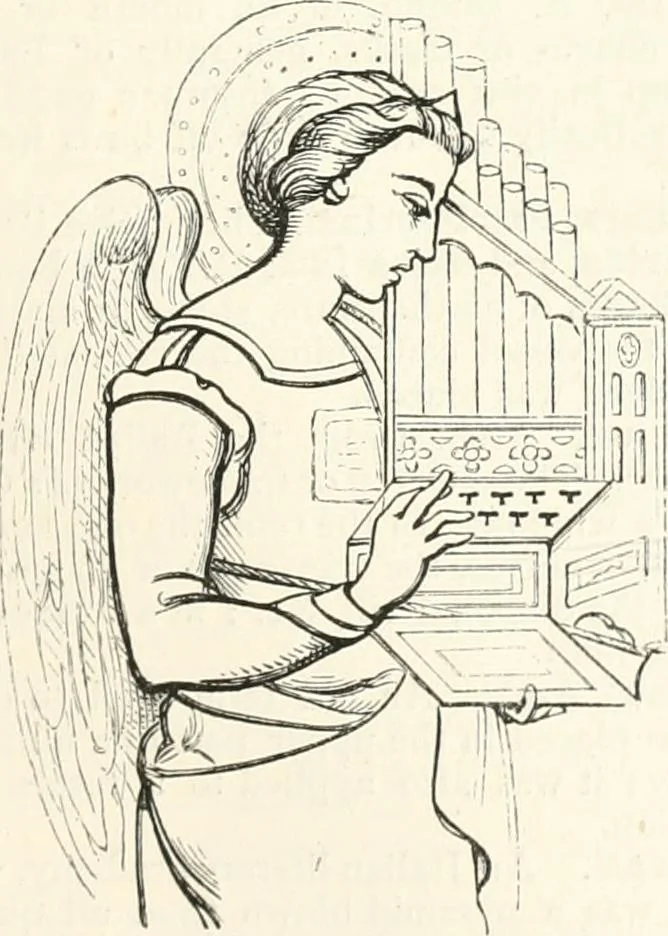
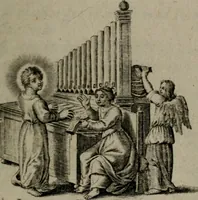
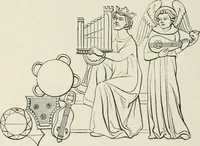
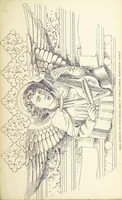
here are usually said to be five orders: theTuscan, Doric, Ionic, Corinthian, and Com-posite. Orders of Knighthood. (See Knighthood. ) Ordinary, Her. An early principal charge ofa simple character. Oread. A mountain-nymph. Oreae, R. (om, the mouth). A snafifle-bitfor horses. Oreiller, Her. A… … Fig, 510. Regals or Portable Organ. some derive it from au7-um Phrygium, becausethe Phrygians, who were excellent embroiderers,were considered to have invented the style;others take it to be from anrmn fractum(broken). In mediaeval Latin the term fororfrays was aurifrigia, aurijrisa, aurifrisiis,…
Art -- Dictionaries · Archaeology -- Dictionaries
Internet Archive · Getty Research Institute · Public Domain Mark 1.0. Free to use for anything.