An illustrated dictionary of words used in art and archaeology. Explaining terms frequently used in works on architecture, arms, bronzes, Christian art, colour, costume, decoration, devices, emblems, heraldry, lace, personal ornaments, pottery, painting, sculpture, &c., with their derivations (1883)
Mollett, John W. (John William) · London, S. Low, Marston, Searle and Rivington · leaf 279
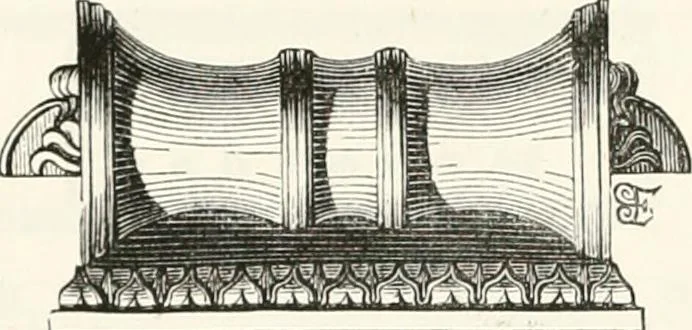
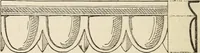
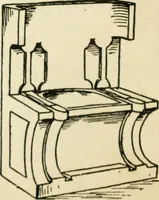
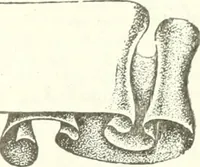
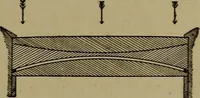
. ixaxaipa)- A short dagger,without a sheath, worn by officers of highrank. Pulpitum, R. The tribune of an orator, or thechair of a professor. In a theatre the term wasused to denote the part of the stage next to theorchestra. (See Proscenium.) Pulvinar, R. {piclvinns, a cushion). Acushion or… … Fig. 565. Pulvinatus. Pulvinatus, R. Having a contour similar tothat of a cushion or bolster, and thence thecylinder formed by the swelling of the volute atthe side of the Ionic capital. (Fig. 565.) Pumice-stone. A kind of lava of less specificgravity than water. The dome of the mosqueof St. Sophia…
Art -- Dictionaries · Archaeology -- Dictionaries
Internet Archive · Getty Research Institute · Public Domain Mark 1.0. Free to use for anything.