An illustrated dictionary of words used in art and archaeology. Explaining terms frequently used in works on architecture, arms, bronzes, Christian art, colour, costume, decoration, devices, emblems, heraldry, lace, personal ornaments, pottery, painting, sculpture, &c., with their derivations (1883)
Mollett, John W. (John William) · London, S. Low, Marston, Searle and Rivington · leaf 312
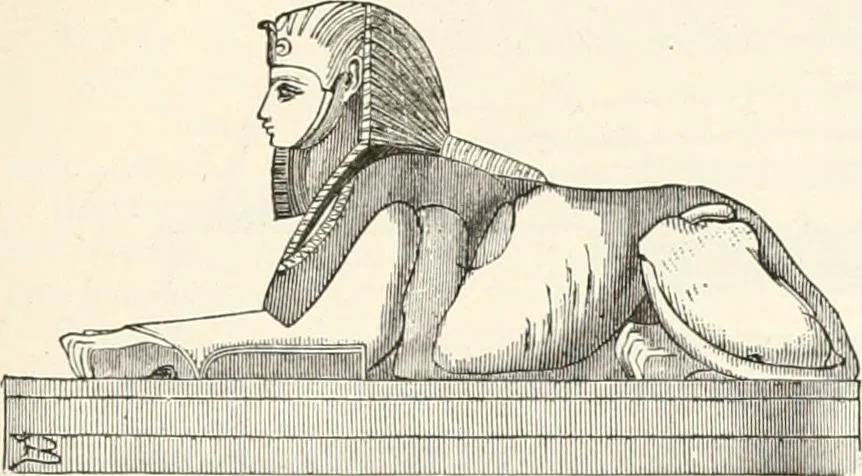
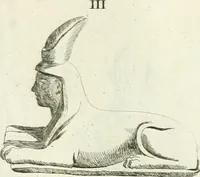
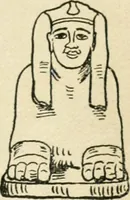
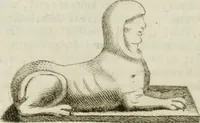
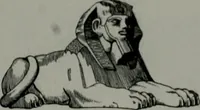
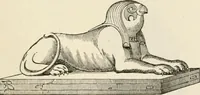
les built partly above andpartly under the ground. Sperlings, O. E. Sprats. Sperthe, C). E. A battle-axe. Spetum, Med. A kind of PARTISAN, butnarrower and lighter. Sphaeristerium, Gr. and R. ((r<t>aipi(TT{tpiov, lit.place for ball). An apartment attached to agymnasium or set of baths for… … Fi>;-6i7. Aiidru-Spluiix. Sphinx, Egyp. (2(^17^). An emblem peculiarlyEgyptian, signifying the religious mystery ; inthis sense it was adopted by the Romans andplaced in the pronaos of their temples. TheAndro-Sphinx (Fig. 617), a human head upona lions body, typified generally the union of in-
Art -- Dictionaries · Archaeology -- Dictionaries
Internet Archive · Getty Research Institute · Public Domain Mark 1.0. Free to use for anything.