An illustrated dictionary of words used in art and archaeology. Explaining terms frequently used in works on architecture, arms, bronzes, Christian art, colour, costume, decoration, devices, emblems, heraldry, lace, personal ornaments, pottery, painting, sculpture, &c., with their derivations (1883)
Mollett, John W. (John William) · London, S. Low, Marston, Searle and Rivington · leaf 59
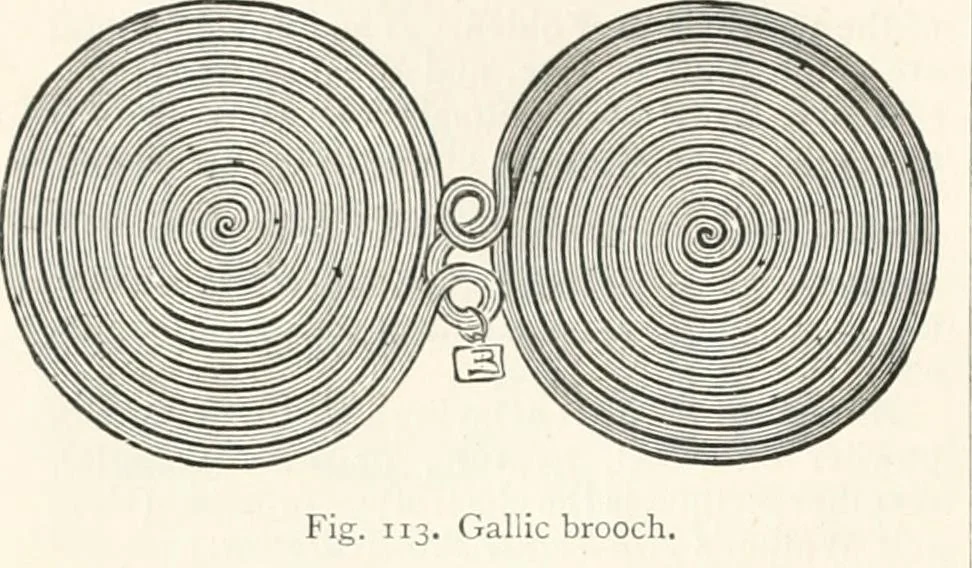
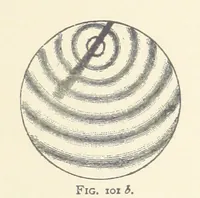
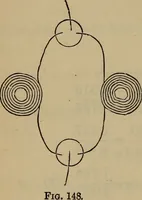
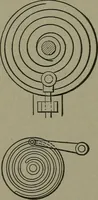
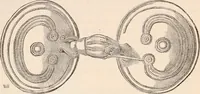
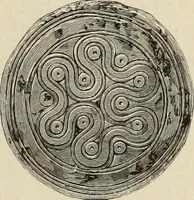
orsilver, resembling a large ScYPHUS (q-v.). Bronze. Antique bronze was composed of tin Figs. 105 to 112. Gallic and Merovingian brooches. scribed in the Archccologlcal Album. In theMiddle Ages brooches bore quaint inscriptions :Chaucers prioress wore abroche of gold ful shene,On which was first… … France of the Gallic and Merovingian periods.(Compare Fibula, Phalf.r.-e.) Brown, in Egyptian art, was the colourconsecrated to Typhon ; in ancient times it wasthe sign of mourning. Regarded as a compoundof red and black, BiSTRE, it is the symbol of allevil deeds and treason. In a monastic…
Art -- Dictionaries · Archaeology -- Dictionaries
Internet Archive · Getty Research Institute · Public Domain Mark 1.0. Free to use for anything.