Media, Babylon and Persia : including a study of the Zend-Avesta or religion of Zoroaster, from the fall of Nineveh to the Persian war (1889)
Ragozin, Zénaïde A. (Zénaïde Alexeïevna), 1835-1924 · London : T. Fisher Unwin ; New York : G.P. Putnam's Sons · leaf 402
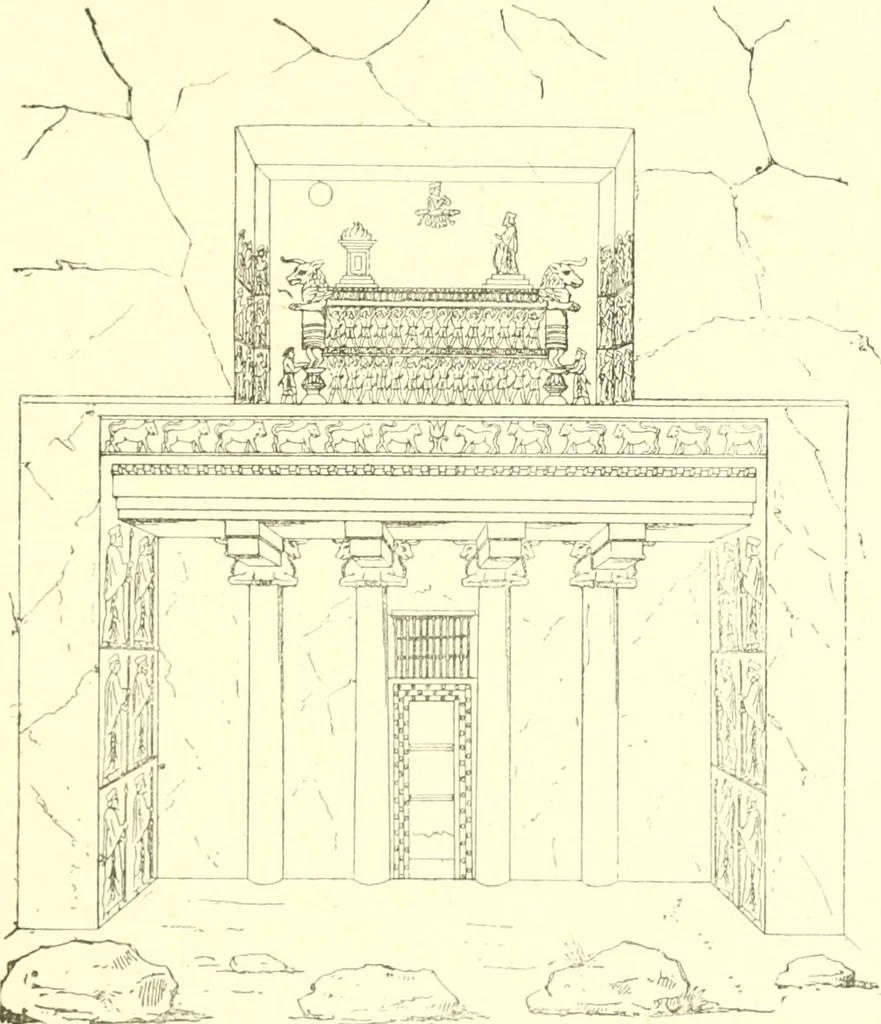
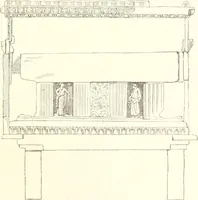
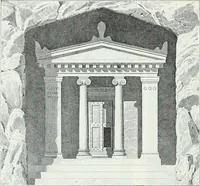
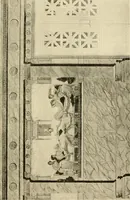
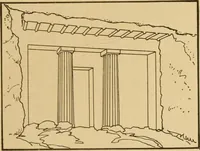
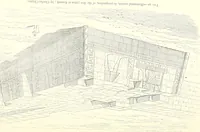
ppear to have followed theprescriptions of the Vendidad in their treatment ofthe dead,—certainly not strictly. Their kings wefind entombed in elaborately wrought sepulchres,not exposed to the birds. But we saw that this cus-tom is a borrowed one, a fact betrayed by the veryword Dakhma, which… … 56. DETAIL OF AKH/EMKNIAN TOMIi.(Compare Lycian rock-tombs, ch. viii.) it would seem that the practice of exposing the deadwas gaining ground in Persia in his time (middle ofthe fifth century B.C.), but in a sort of underhand * Justi, Geschichte des Allen r<rsiciis, p. S8. 372 MEJ)IA, CABYLON,…
Zoroastrianism · Iran -- History · Babylon (Extinct city) -- History
Internet Archive · University of Toronto, Robarts Library · Public Domain Mark 1.0. Free to use for anything.