Museum of antiquity; a description of ancient life: the employments, amusements, customs and habits, the cities, places, monuments and tombs, the literature and fine arts of 3,000 years ago (1887)
Yaggy, L. W, Haines, Thomas L · Des Moines, Iowa : G.S. Cline · leaf 384
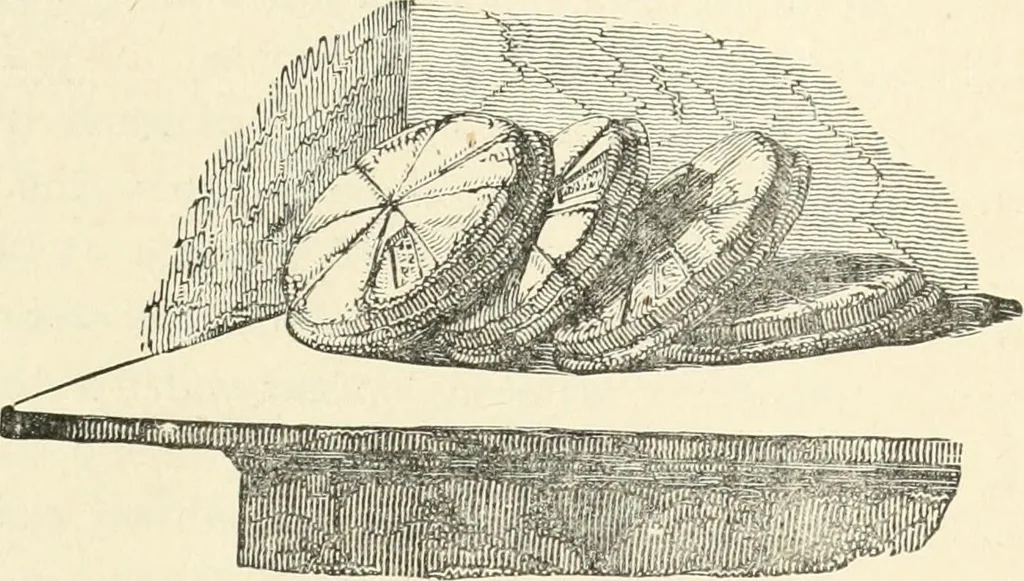
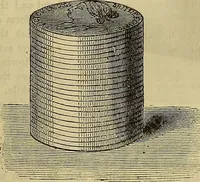
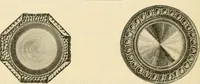
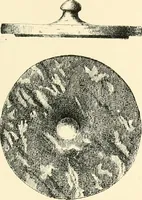
est flour;half a bushel of /fo.?, bolted flour; four sextarii of cibarium^seconds; and four sextarii of bran; thus giving an excess of foursextarii. Their loaves appear to have been very often baked inmoulds, several of which have been found; these may possibly beartoptai, and the loaves thus… … BREAD DISCOVERED IN POMPEII. This has been interpreted to mean that cicer (vetch) was mixedwith the tiour. We know from Pliny that the Romans usedseveral sorts of grain. The cut below gives an idea of their form. In front of the house, one on each side the doorway, thereare two shops. Neither of…
Civilization · Classical antiquities
Internet Archive · California Digital Library · Public Domain Mark 1.0. Free to use for anything.