Wells, Samuel R. (Samuel Roberts), 1820-1875 · New York, Fowler and Wells · leaf 101
n of its dif-ferent masses, and the rela-tive energy of its differentfunctions. In their last analysis, thetemperaments are as numer-ous as the individuals of thehuman race, no two personsbeing found with preciselythe same physical constitu-tion. Tracing them back, however, we find them all to… … THE ANCIENT DOCTRINE 95 upon what he called the four primary components of the hu-man body—the blood, the phlegm, the yellow bile, and theblack bile. The preponderance of one or the other of these com-ponents in a person produces his peculiar constitution or tem-perament. Bodies in which blood…
Physiognomy · Phrenology
Internet Archive · Library of Congress · Public Domain Mark 1.0. Free to use for anything.
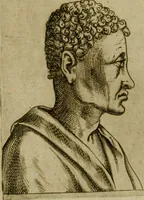
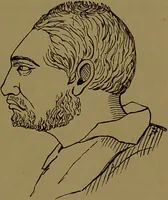
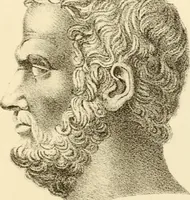
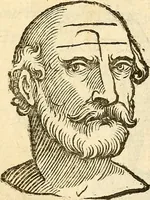
![An illustration from Recueil de trois cent têtes et sujets de composition [graphic] (1775)](https://img.insideoutlibrary.com/img/200/ia-gri_recueildetro00cayl-258-356.webp)