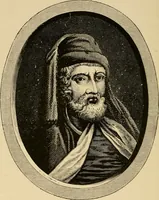
Wells, Samuel R. (Samuel Roberts), 1820-1875 · New York, Fowler and Wells · leaf 202
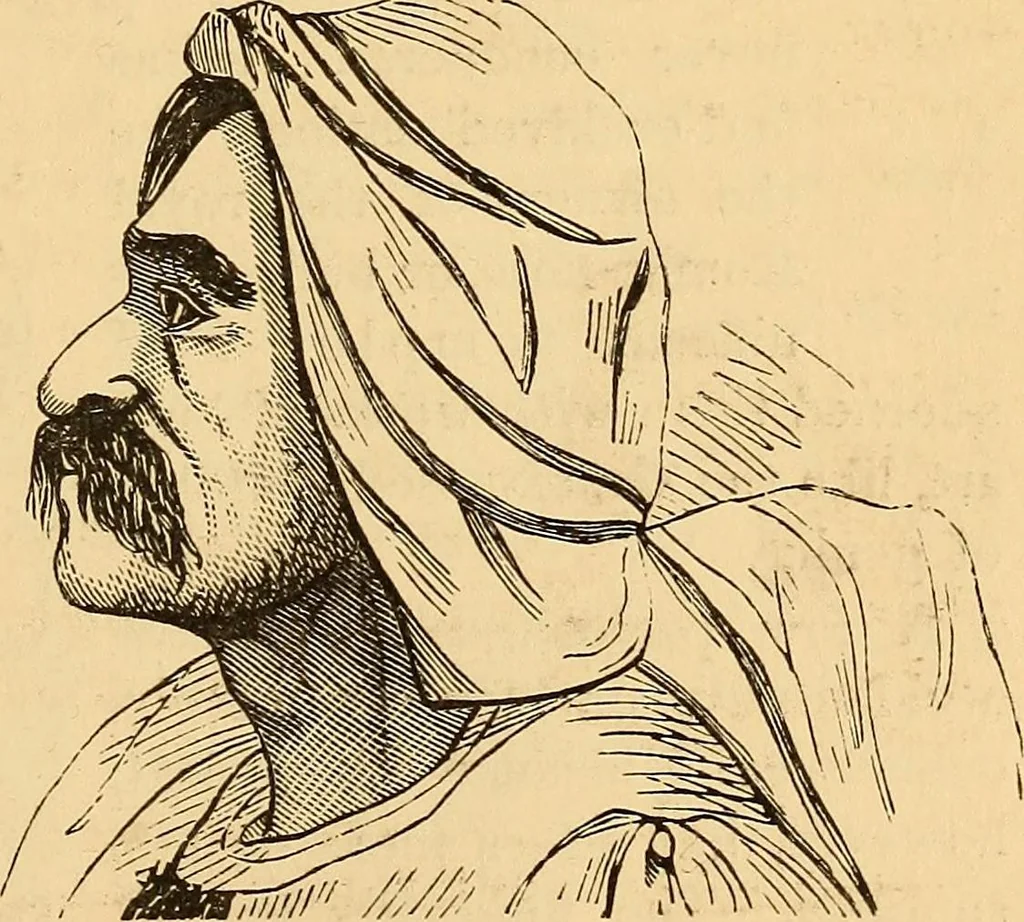
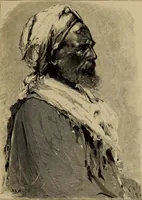
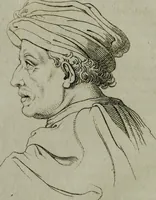
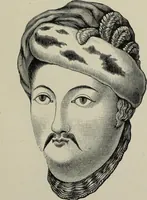
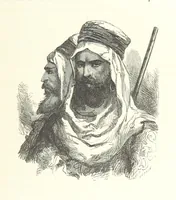
d, but Syrians. Theancient Phoenicians were Syrians, and the portraits wehave of these people on the Egyptian sculpture, asread by Sir G. Wilkinson, all exhibit this form of nose. The-Arabs of the presentday—descendants ofAbraham throughthe wild son of Hagar— have features, inmany respects,… … 196 ABOUT NOSES is all but universal among them. Our cut (fig. 267) is copiedfrom one of these portraits. The author of Notes on Noses calls the Jewish or Syriannose the Commercial Nose, and says that it indicates worldlyshrewdness, insight into character, and ability to turn thatinsight to a…
Physiognomy · Phrenology
Internet Archive · Library of Congress · Public Domain Mark 1.0. Free to use for anything.