New Physiognomy : or signs of character, as manifested through temperament and external forms, and especially in the "the human face divine." (1889)
Wells, Samuel R. (Samuel Roberts), 1820-1875 · New York : Fowler & Wells · leaf 101
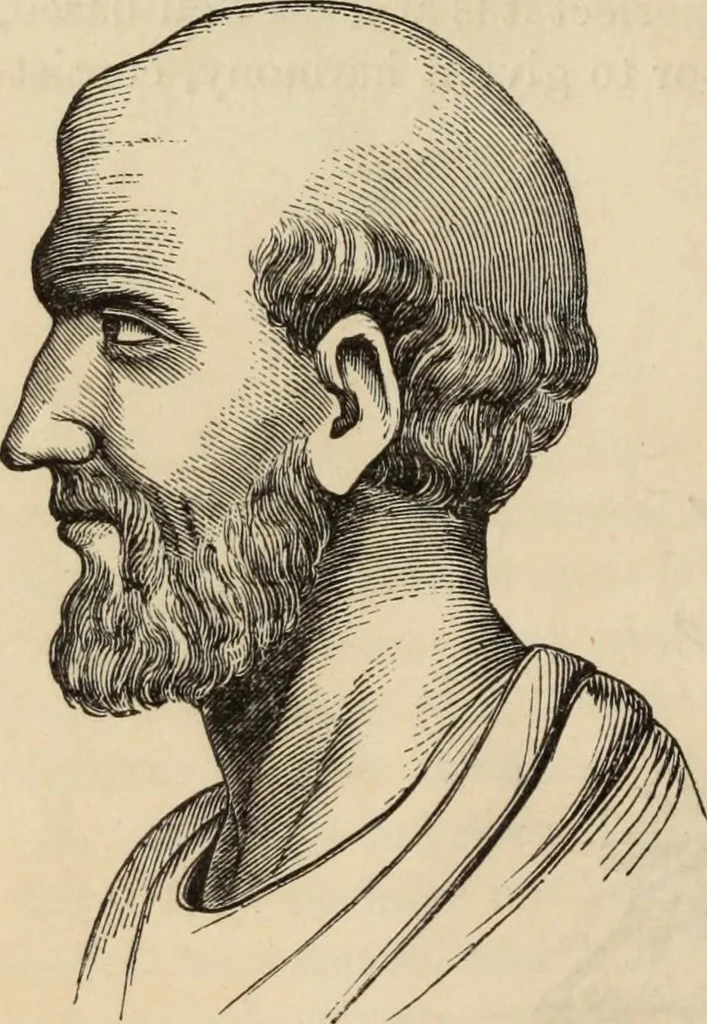
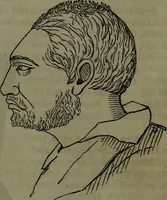
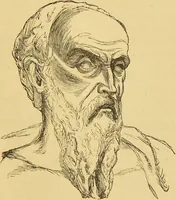
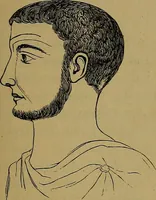
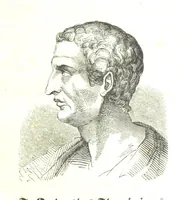
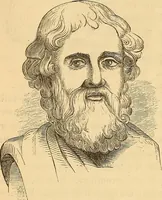
cal manifes-tations, is temperament;which may be defined as aparticular state of the consti-tution, depending upon therelative proportion of its dif-ferent masses, and the rela-tive energy of its difierentfunctions. In their last analysis, thetemperaments are as numer-ous as the individuals of… … Fig. 105. —HiPPOCEATES. THE ANCIENT DOCTRINE. Hippocrates, the father of medicine, describes four tem-peramental conditions depending, according to his theory. THE ANCIENT DOCTRINE. 95 upon what he called the four primary components of the hu-man body—the blood, the phlegm, the yellow bile, and…
Physiognomy · Phrenology
Internet Archive · Public Domain Mark 1.0. Free to use for anything.
![An illustration from Modern World Movements: Theosophy and the School of Natural Science, "The Venerable Brotherhood of India" (1913) [Supplemental Harmonic Series] (1913)](https://img.insideoutlibrary.com/img/200/ia-modernworldmovem00buck-40-5.webp)
![An illustration from La metoposcopia, ouero, Com[m]ensuratione delle linee della fronte : trattato (1626)](https://img.insideoutlibrary.com/img/200/ia-metoposcopiaouer00spon-42-12.webp)