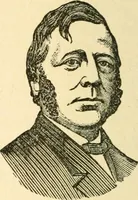
New Physiognomy : or signs of character, as manifested through temperament and external forms, and especially in the "the human face divine." (1889)
Wells, Samuel R. (Samuel Roberts), 1820-1875 · New York : Fowler & Wells · leaf 162
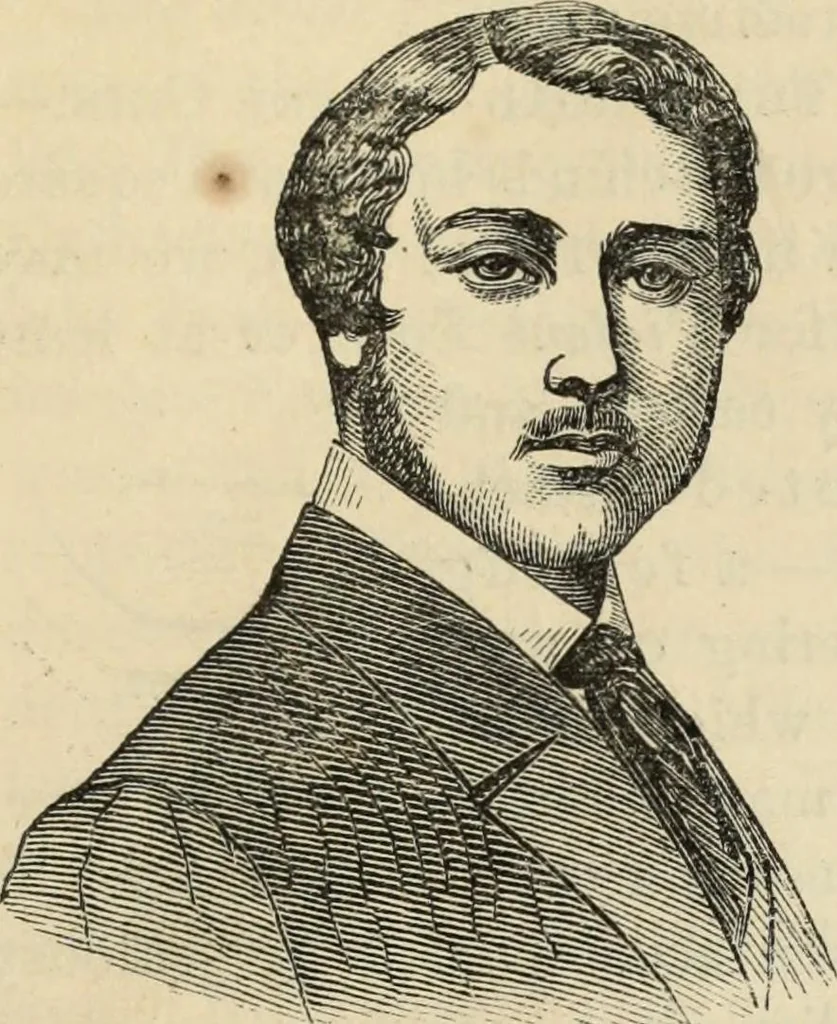
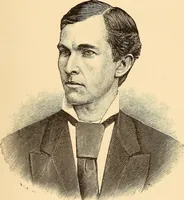
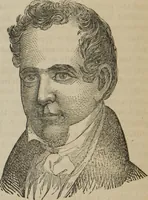
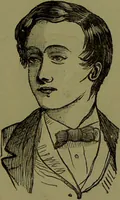
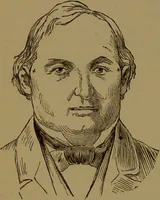
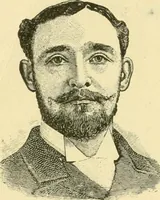
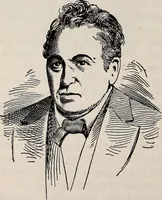
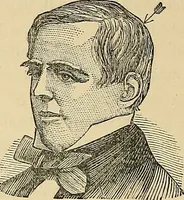
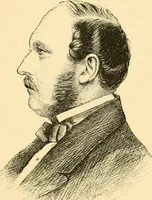
CHIN 155 affection, and arc miserable without some one of the oppositegex to love them. Such chins are more common in man than in woman, and the feelino; whiclithey indicate leads Ijim to seekand sue for her love. Wlienthis sign is very large in wo-man, she may sometimes over-step the bounds of… … Fig. 178.—Prince of Wales. first form; but it will be less pointed. 3. The Narrow Square Chin.—The narrow square chin (fig,lYQ), is more common among women, and indicates a Desire toXiove^ which harmo-nizes beautifully withmans stronger Desireto be Loved. Thisfaculty co-operateswith Benevolence, and
Physiognomy · Phrenology
Internet Archive · Public Domain Mark 1.0. Free to use for anything.