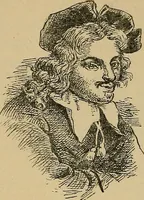
New Physiognomy : or signs of character, as manifested through temperament and external forms, and especially in the "the human face divine." (1889)
Wells, Samuel R. (Samuel Roberts), 1820-1875 · New York : Fowler & Wells · leaf 174
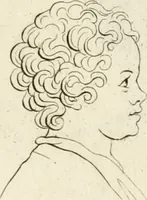
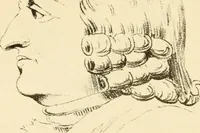
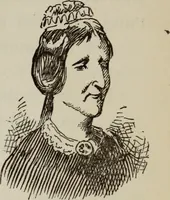
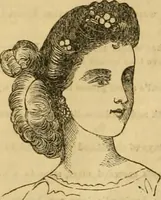
arily implying the obtuseangle. The upper jaw, at the same time, fails to expand late-rally: in vigorous organisms it spreads out boldly, and theteeth stand square and with spac^ enough; whereas in sub-vitalized persons it remains narrow, as in the child, so thatthe large front teeth are crowded,… … XI. THE MOUTH. All parts of the face, doubtless, have their fixed relations to each other and to tbecharacter of the person to whom the face belongs. But there is one feature, and espe.cially one part of that feature, which more than any other facial sign reveals the naturoof the individual. The…
Physiognomy · Phrenology
Internet Archive · Public Domain Mark 1.0. Free to use for anything.