New Physiognomy : or signs of character, as manifested through temperament and external forms, and especially in the "the human face divine." (1889)
Wells, Samuel R. (Samuel Roberts), 1820-1875 · New York : Fowler & Wells · leaf 21
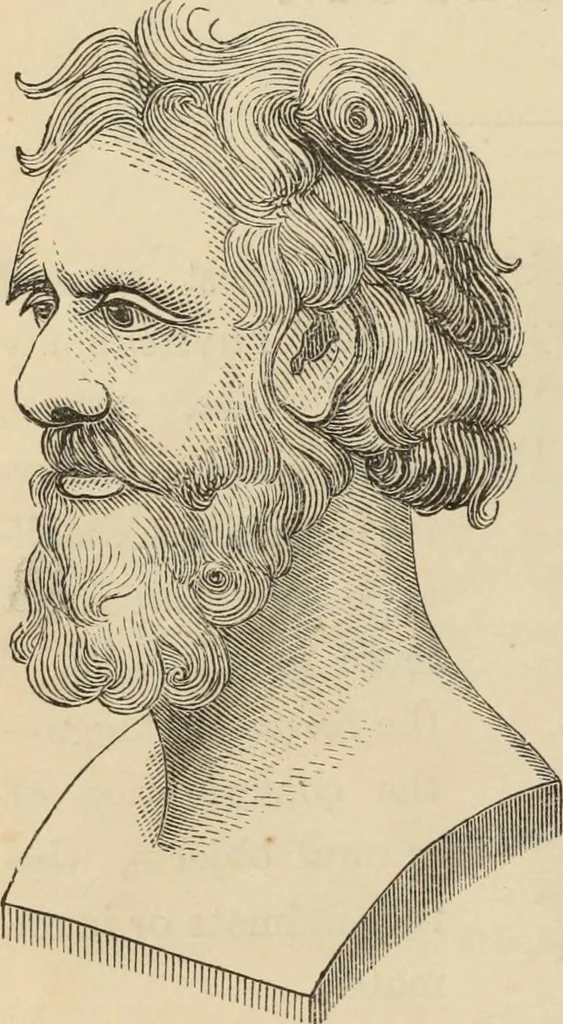
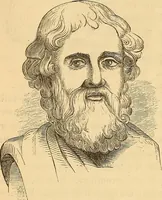
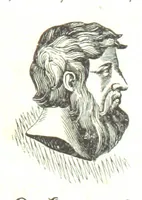
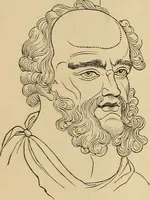
ctice of virtue. The Greek authors on this subject, whose writings havebeen preserved, were collected and published at Altenburgh,Germany, in 1780, under the title of Physiognomiae VeteresScriptores Grseci. Among the Romans, physiognomy had its professors whodisgraced it by connecting it with… … Fig. 2. - Plato. INTRODUCTION. XV of men by observing their bodily characters—the characterof the face, the eyes, and the forehead. The remark of JuHiisCaesar on the physiognomy of Cassius and Antony is wellknown,* and we have a very striking physiognomical descri]>tion of the Emperor Tiberius…
Physiognomy · Phrenology
Internet Archive · Public Domain Mark 1.0. Free to use for anything.