New Physiognomy : or signs of character, as manifested through temperament and external forms, and especially in the "the human face divine." (1889)
Wells, Samuel R. (Samuel Roberts), 1820-1875 · New York : Fowler & Wells · leaf 216
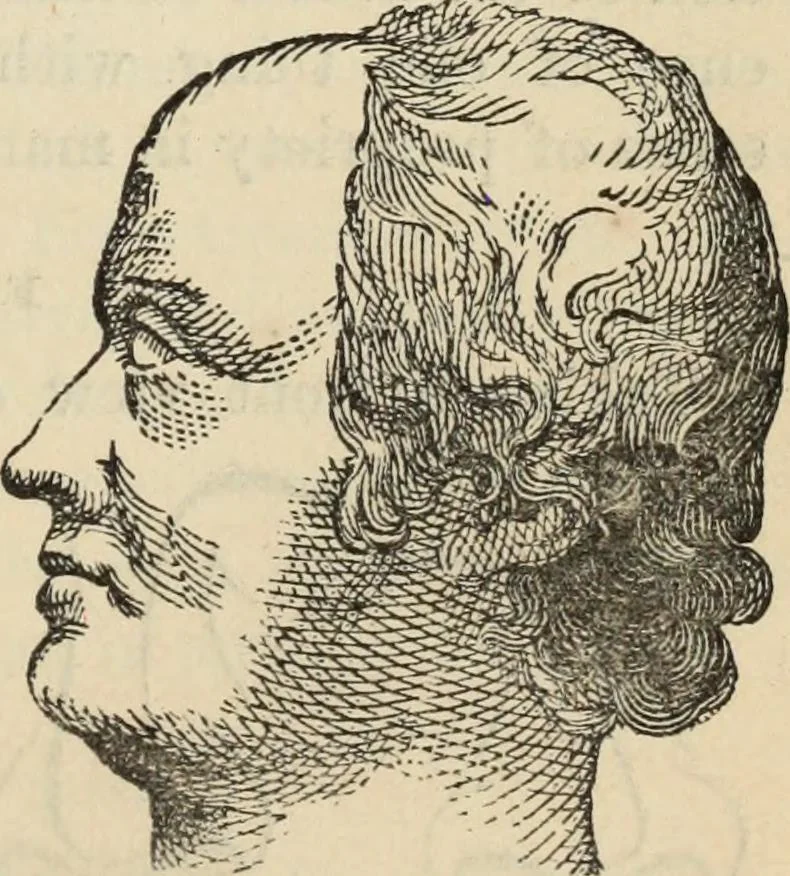
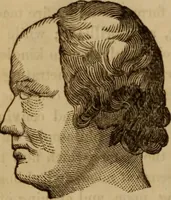
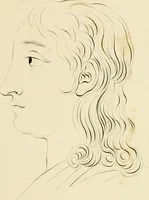
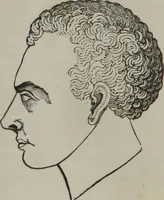
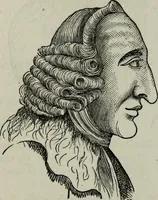
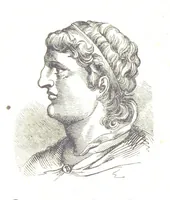
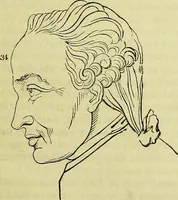
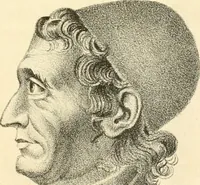
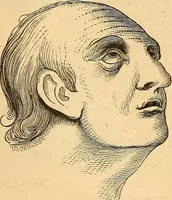
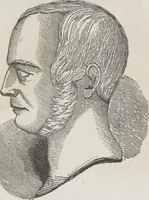
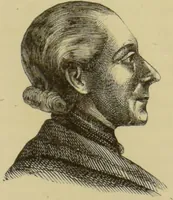
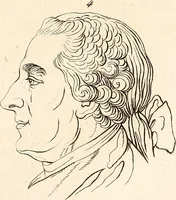
ptum (fig. 275, JI9.) It shortensthe orifice opposite to Analogy.Woman has generally more ofthis faculty and its sign thanman. It puts objects side byside in order to see their dif-ferences, and is apt to look atboth sides of a thing. On the wing of the nose, indica-ted in its perpendicular length,… … 210 ABOUT NOSES. that part of the nose. It is the teaching faculty, especially-teaching by example, and sets examples for others in conduct. The sign of Imitation gives downward length tothe posterior part of the wing (fig. 275, 6). Whenlarge, the part descends, as shown in fig. 293. It…
Physiognomy · Phrenology
Internet Archive · Public Domain Mark 1.0. Free to use for anything.