New Physiognomy : or signs of character, as manifested through temperament and external forms, and especially in the "the human face divine." (1889)
Wells, Samuel R. (Samuel Roberts), 1820-1875 · New York : Fowler & Wells · leaf 292
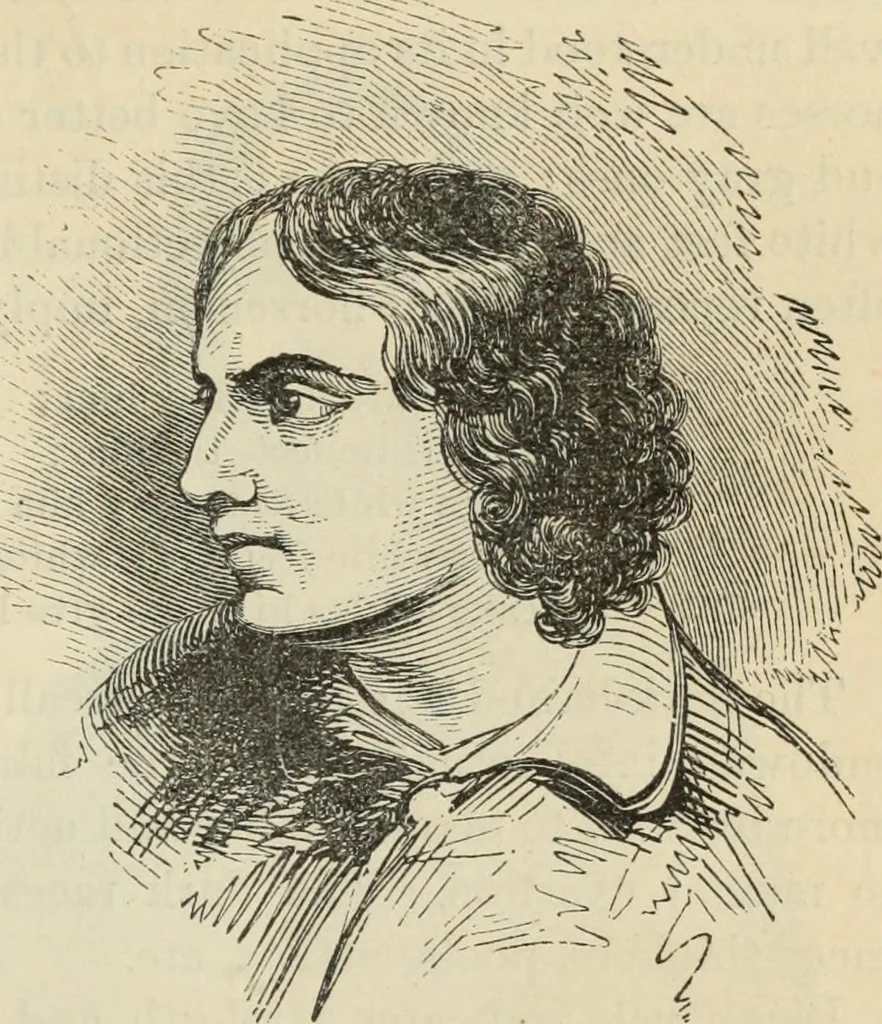
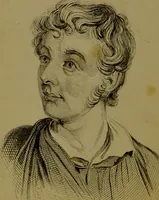
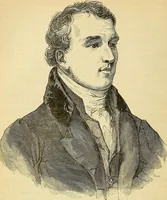
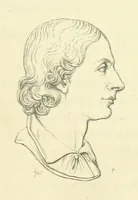
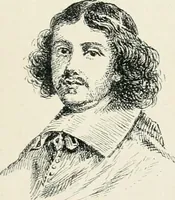
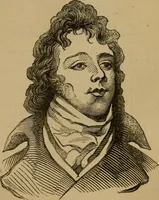
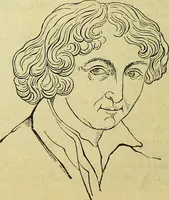
, Burns,Keats, Hoffman, Longfellow,* and many others. In picturesof Christ, and in other exalted, highly refined, and beautifulcharacters, this pecu-liarity is always intro-duced by the artist. Sometimes the hair,on rising from itsbulbs, turns in irresTU- lar rinos on the fore- head. giving an open… … Fig. 386.—Keats. bolize Ideality, and Avhen only part of the hair is ^vorn in curl,are instinctively disposed over the organ of that faculty. Straight hair may be said to indicate, in cultivated persons,evenness of character and a straightforward honesty of pur-pose, as well as a clear head and…
Physiognomy · Phrenology
Internet Archive · Public Domain Mark 1.0. Free to use for anything.