New Physiognomy : or signs of character, as manifested through temperament and external forms, and especially in the "the human face divine." (1889)
Wells, Samuel R. (Samuel Roberts), 1820-1875 · New York : Fowler & Wells · leaf 294
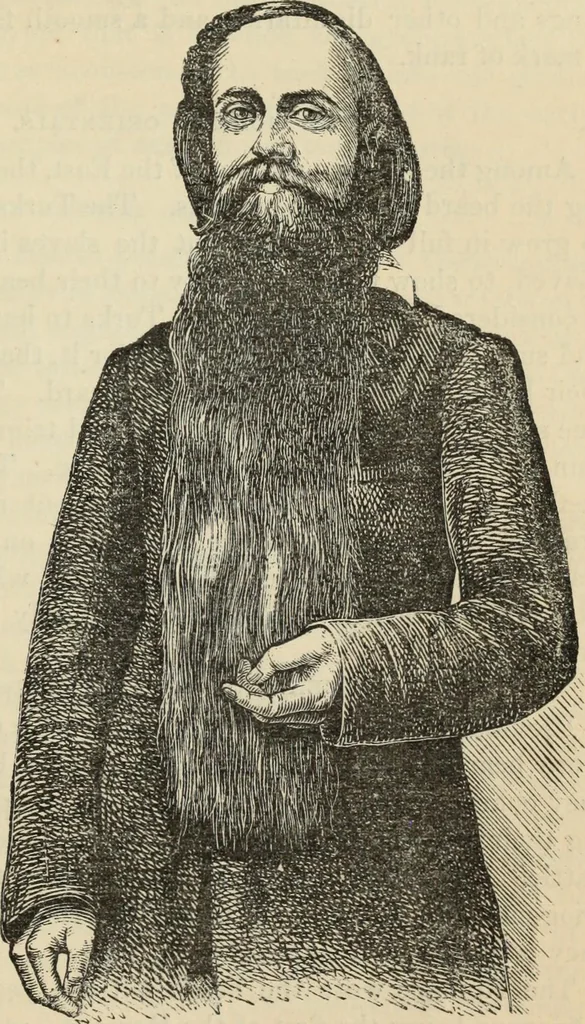
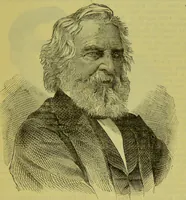
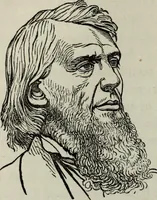
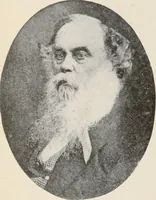
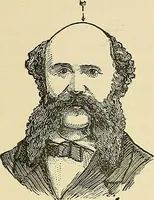
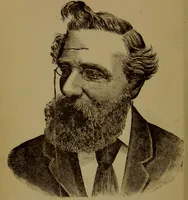
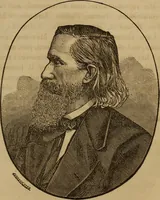
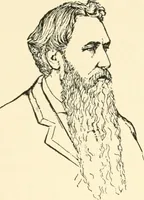
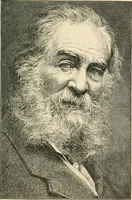
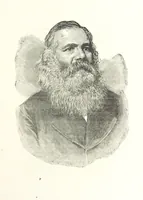
D. Thou Shaltnot mar the cor-ne rs of thybeard ; the com-mand of Moses tothe children ofIsrael, recordedin Leviticus xix,27, is the firstmention of thebeard that learn-ed men have beenable to find. Itindicates the ear-ly cultivation ofthe beard amonorthe Eastern na-tions, by whom it always Jias… … Fifj. 337.-Le Grand Cusiiman. 288 THE HAIR AND BEARD. conceal their disaster and wait until their beards shouldreappear. Sculptures from Nineveh and Persepolis prove that theraces inhabiting those cities wore their beards; but in Egypt,judging from ancient pictures, shaving was common amongkings…
Physiognomy · Phrenology
Internet Archive · Public Domain Mark 1.0. Free to use for anything.