New Physiognomy : or signs of character, as manifested through temperament and external forms, and especially in the "the human face divine." (1889)
Wells, Samuel R. (Samuel Roberts), 1820-1875 · New York : Fowler & Wells · leaf 327
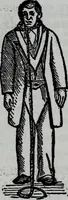
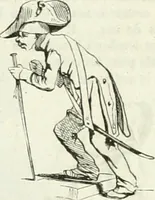
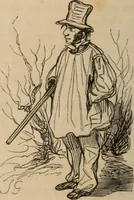
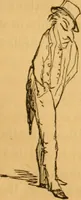
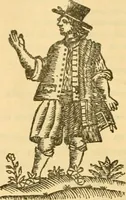
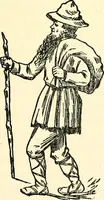
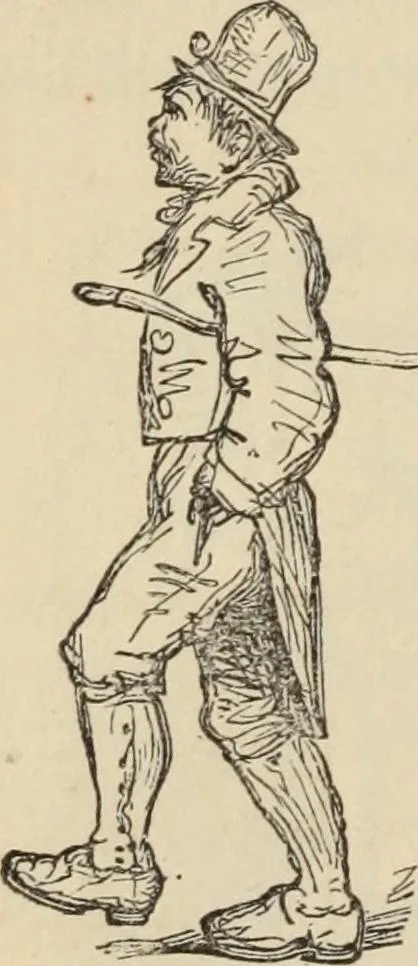
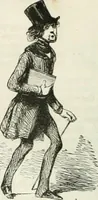
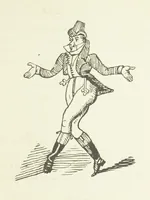
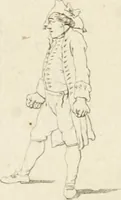
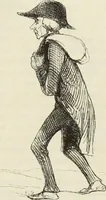
re proceed.—Shakspeare. The untrained, blunt, coarse bog-trotter (fig. 423) v/alksheavily upon his heels in parlor, church, or kitchen, his gaitbeing more like that of a horse on a bridge than likethat of the cultivated gentleman. The slow, heavy tramp ofthe iron-shod hedger and ditcher is in… … The humble man has a humblea dio-ni- walk; the dignified man,fied walk; the vain man, a vainwalk; the hopeful man, a light,buoyant, hopeful walk; the despond-==-. ing, hopeless man, a dragging, hope-less step, as though he were goingto prison rather than to his duty;the executive man, an…
Physiognomy · Phrenology
Internet Archive · Public Domain Mark 1.0. Free to use for anything.
![An illustration from XVIIme [i.e. dix-septième] siècle : lettres, sciences et arts, France, 1590-1700 (1882)](https://img.insideoutlibrary.com/img/200/ia-xviimeiedixsepti00jaco-518-235.webp)