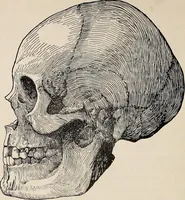
New Physiognomy : or signs of character, as manifested through temperament and external forms, and especially in the "the human face divine." (1889)
Wells, Samuel R. (Samuel Roberts), 1820-1875 · New York : Fowler & Wells · leaf 444
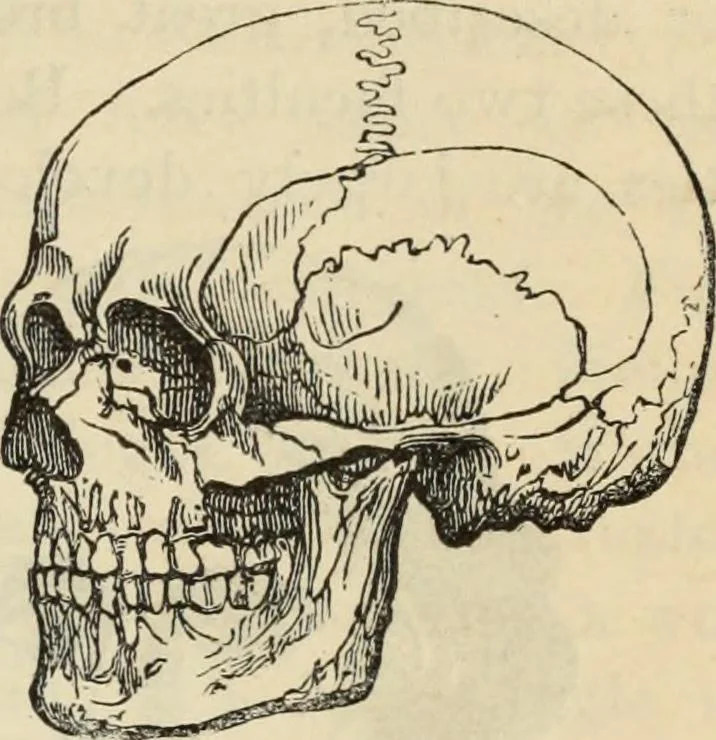
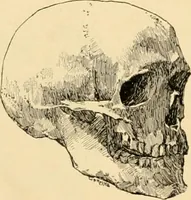
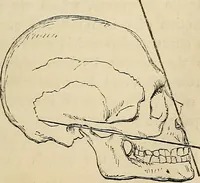
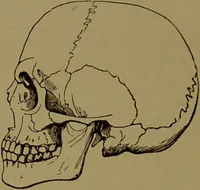
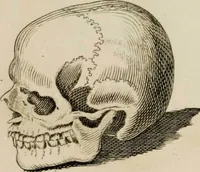
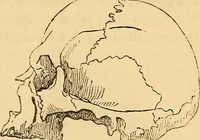
THE ANCIENT GPtEEK. 437 … THE ANCIENT GREEK, The Greek belongs to Avhat has been called the Pelasglc ofancient Caucasian group. The Pelasgic or ancient Caucii-sian skull was not so large as that of the modern GothicTeutonic race, but was line-grainedand (especially in the Greek) sym-metrically formed. They indicatemore…
Physiognomy · Phrenology
Internet Archive · Public Domain Mark 1.0. Free to use for anything.