New Physiognomy : or signs of character, as manifested through temperament and external forms, and especially in the "the human face divine." (1889)
Wells, Samuel R. (Samuel Roberts), 1820-1875 · New York : Fowler & Wells · leaf 467
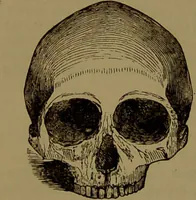
specimen of theirrace, as follows: lis ont le visage pl-^t, rond, et large : ce qui rend les jeunesllmmes tres agreables. lis ont de larges levres retroussees, Icnez large et ouvert, peu de barbe, et les cheveux noirs et rudet^.La plupart sont plutot petits que de taille mediocre, mais… … Onr portrait shows great breadth of head and face and afullness of the cheek-bones, which is characteristic. It indi-cates a good deal of rude strength, endurance, nnd courage, and an unconquerable tenacity.Of brain there is in this specimen(a very favorable one) no lac!;,but it is of coarse…
Physiognomy · Phrenology
Internet Archive · Public Domain Mark 1.0. Free to use for anything.
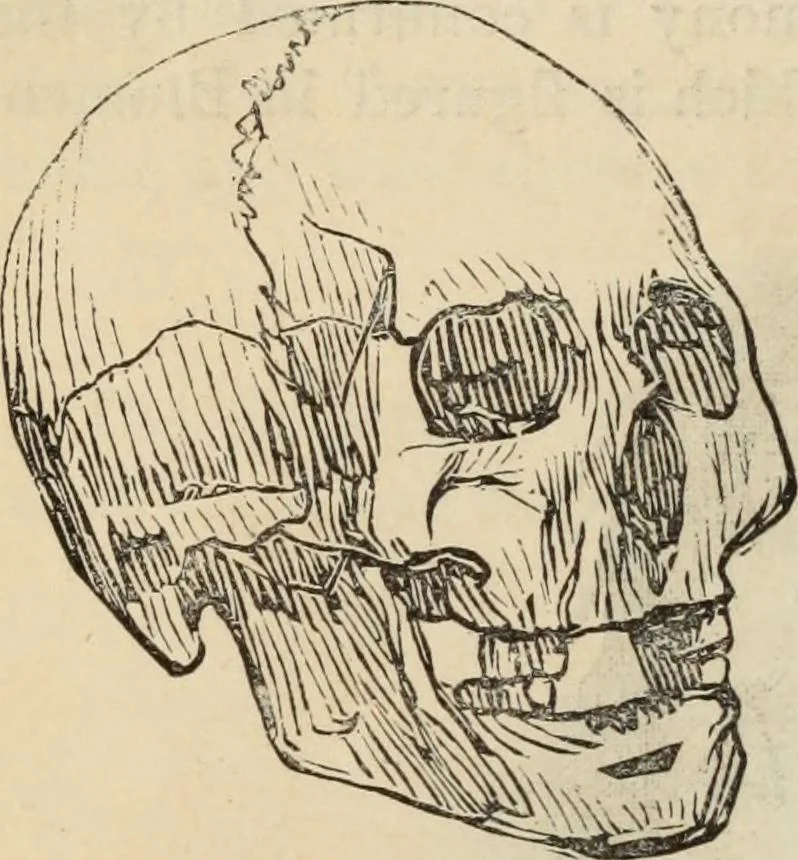
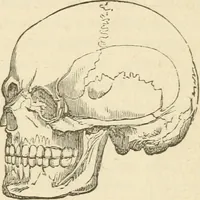
![An illustration from Coombs's standard phrenology : exhibiting the exact phrenological admeasurements of above fifty distinguished and extraordinary personages, of both sexes : with skulls of the various nations of the world : embellished with above 50 engravings, and poetical descriptions of beauty, intellect, and physiognomy : with observations explanatory of the science, adapted to the character of [blank] (1841)](https://img.insideoutlibrary.com/img/200/ia-60221050R.nlm.nih.gov-28-9.webp)