New Physiognomy : or signs of character, as manifested through temperament and external forms, and especially in the "the human face divine." (1889)
Wells, Samuel R. (Samuel Roberts), 1820-1875 · New York : Fowler & Wells · leaf 479
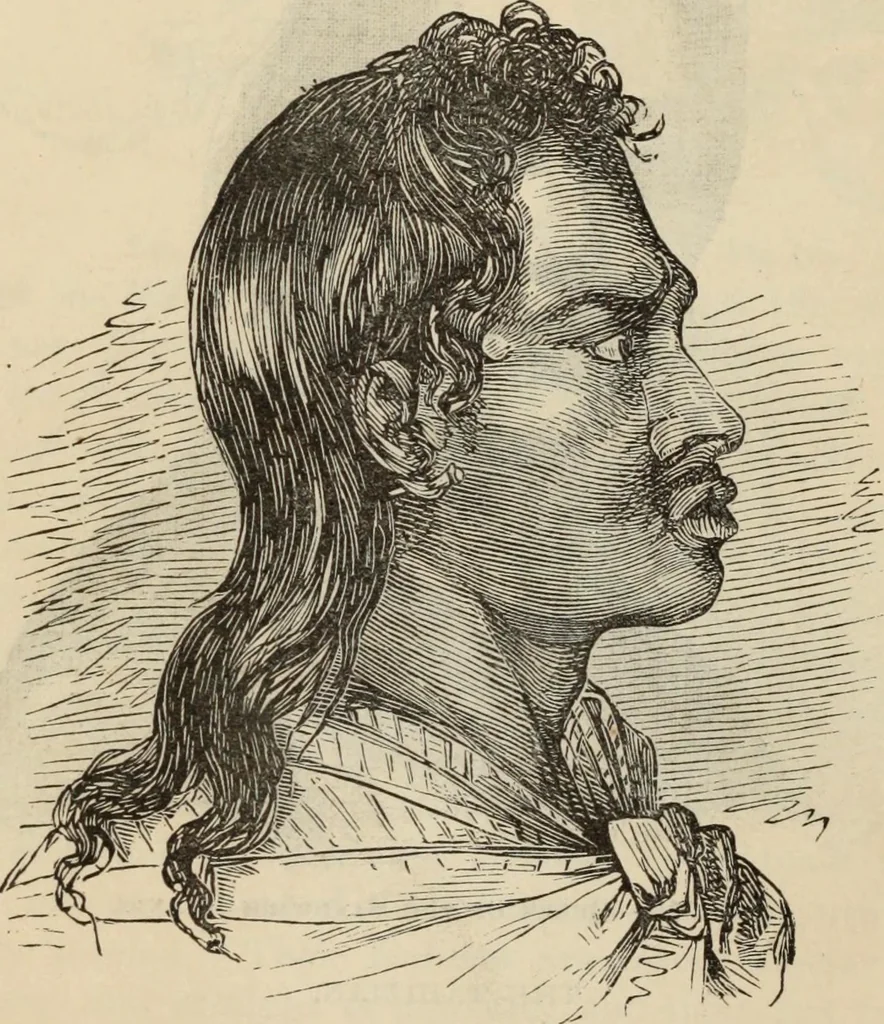
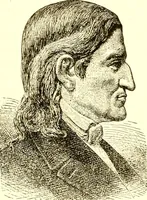
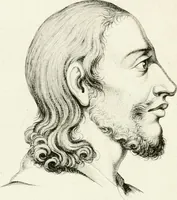
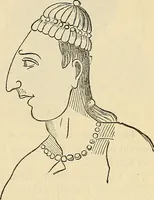
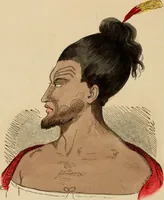
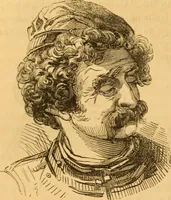
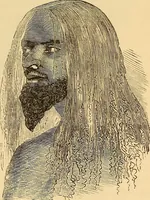
from whose Avork we borrow it, thecranial type of tlie Society Islands. It may be seen that,except in the greater projection of the jaws and teeth, it diflfers ^:2 NATIONAL TYPES little from the Caucasian form. The intellectual and moraldevelopments are both excellent. The Tahitians are considered… … Fipr. 596.—A Tahitiax. muscular parts are everyAvhere covered with a thick cellulartissue, which softens the contour of their projecting lines,-.lieir physiognomy has generally a mild, and gentle, and frankexpression. The head of the Tahitian would be European,were it not for the spreading out of…
Physiognomy · Phrenology
Internet Archive · Public Domain Mark 1.0. Free to use for anything.
![An illustration from Coombs's standard phrenology : exhibiting the exact phrenological admeasurements of above fifty distinguished and extraordinary personages, of both sexes : with skulls of the various nations of the world : embellished with above 50 engravings, and poetical descriptions of beauty, intellect, and physiognomy : with observations explanatory of the science, adapted to the character of [blank] (1841)](https://img.insideoutlibrary.com/img/200/ia-60221050R.nlm.nih.gov-37-14.webp)