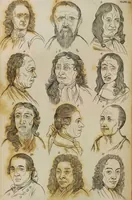
New Physiognomy : or signs of character, as manifested through temperament and external forms, and especially in the "the human face divine." (1889)
Wells, Samuel R. (Samuel Roberts), 1820-1875 · New York : Fowler & Wells · leaf 515
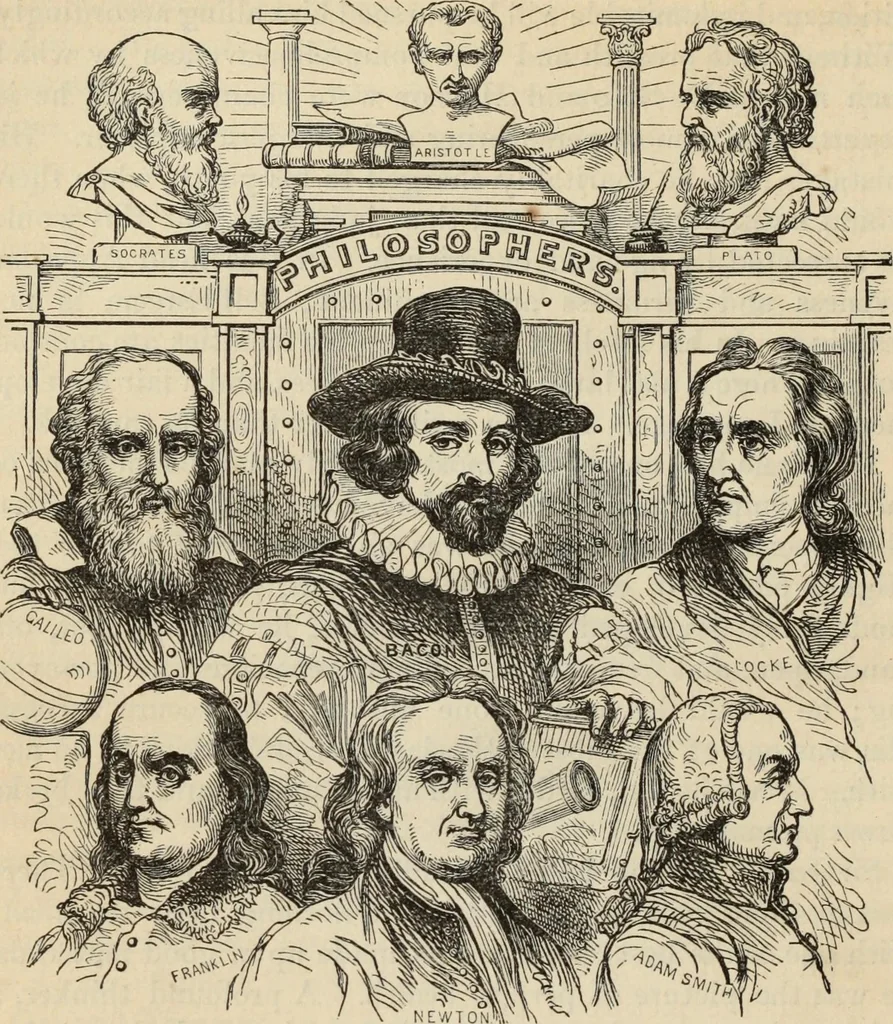
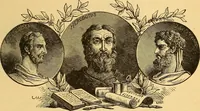
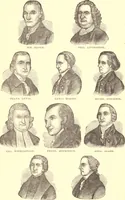
ed, andby the world, which looks on. Observe his features—thatsplendid forehead, almost Shakspearian in mold, with thelarge reflectives and the very large perceptives; that beautifulmouth, indicating affection, joyousness, mirthfulness, and de-cision ; that prominent chin, corresponding with a… … Figs. 673 to 681. Socrates, tlie greatest heathetf philoso-pher of antiquity, who maintained the ex-istence of one Supreme Intelligence, wasborn in Attica, Greece, 470 b.c, and died400 B.C., in Athens, from poison, underthe unjust condemnation of the Atheniancouncil. Aristotle, the founder of the…
Physiognomy · Phrenology
Internet Archive · Public Domain Mark 1.0. Free to use for anything.