New Physiognomy : or signs of character, as manifested through temperament and external forms, and especially in the "the human face divine." (1889)
Wells, Samuel R. (Samuel Roberts), 1820-1875 · New York : Fowler & Wells · leaf 531
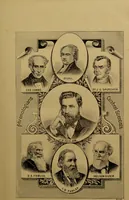
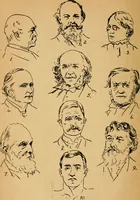
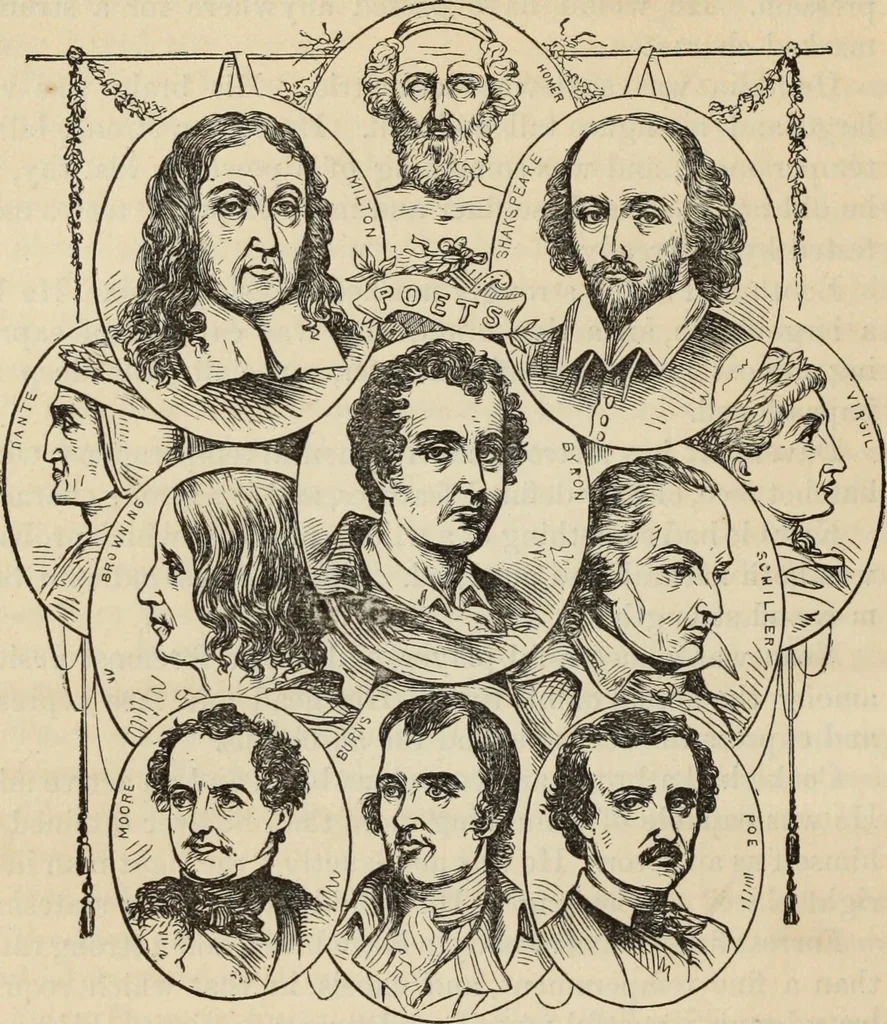
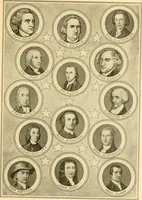
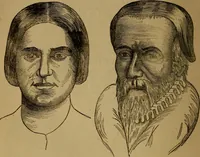
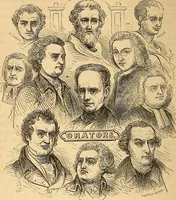
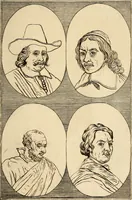
ine. A castin our collection, taken from his head more than twenty yearsago, indicates a brain large at the base, particularly betweenthe ears. The head is also high in the crown and full in theintellect, but small in Veneration and Spirituality. He haslittle of the feeling of deference, humility,… … Pigs. 716 to 725. Homer, the most ancient and greatest ofthe Greek heroic poets, called the Eatherof Song, was born about 1000 b.c. ; theexact period of his death is not known. John Milton, the first of modern poetsin the department of sacred verse, the au-thor of *• Paradise Lost; born in…
Physiognomy · Phrenology
Internet Archive · Public Domain Mark 1.0. Free to use for anything.
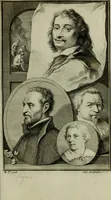
![An illustration from Joachimi de Sandrart, à Stockau ... Academia nobilissimae artis pictoriae, sive, De veris & genuinis hujusdem proprietatibus, theorematibus, secretis atque requisitis aliis ... : unà cum artificum tam Aegyptiorum, Graecorum & Romanorum, quàm Italorum, Gallorum, Anglorum, Germanorum, Belgarum, aliorumq[ue] ... vitis atque encomiis ... : eorundemque plusquàm ducentis iconibus ... aere expressis, erecta atq[ue] publicata (1683)](https://img.insideoutlibrary.com/img/200/ia-gri_joachimidesa00c2sa-252-155.webp)