New Physiognomy : or signs of character, as manifested through temperament and external forms, and especially in the "the human face divine." (1889)
Wells, Samuel R. (Samuel Roberts), 1820-1875 · New York : Fowler & Wells · leaf 599
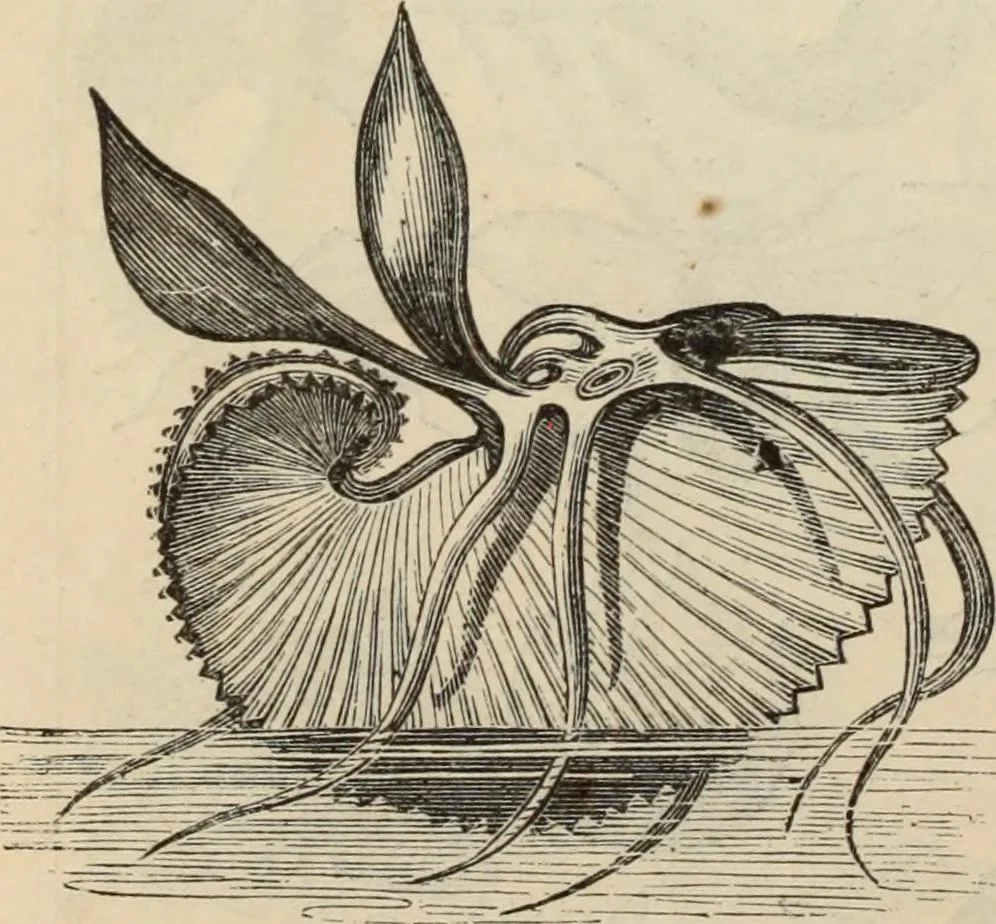
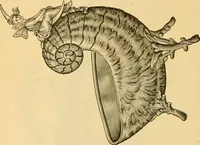
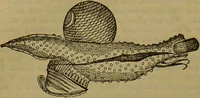
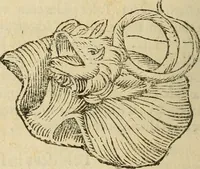
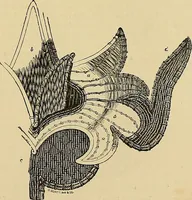
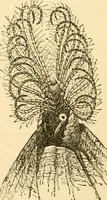
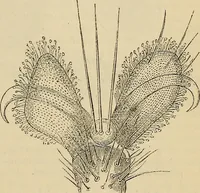
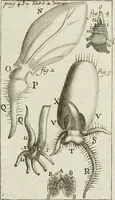
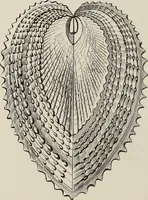
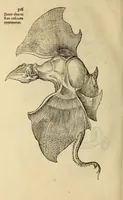
the preceding class. 4. MoLLUscA.—Coming to the oysters, clams, and other shell-fish, we find an alimentary apparatus forming a distinct organ, with several convolutions,a liver, and a circulatorysystem, having for its cen-ter a heart with one ven-tricle or chamber, and con-taining a watery… … Fig. 867.—The Nautilus. as ii When the sea is cahn, groups of these animals may be seen navigatingthe surface of it, employing six of their tentacula as oars, and raising the AN ASCENDING SERIES. 593 5. Annulata.—Some naturalists place this class, which in-cludes the sea-worms, below the molkisca,…
Physiognomy · Phrenology
Internet Archive · Public Domain Mark 1.0. Free to use for anything.