New Physiognomy : or signs of character, as manifested through temperament and external forms, and especially in the "the human face divine." (1889)
Wells, Samuel R. (Samuel Roberts), 1820-1875 · New York : Fowler & Wells · leaf 613
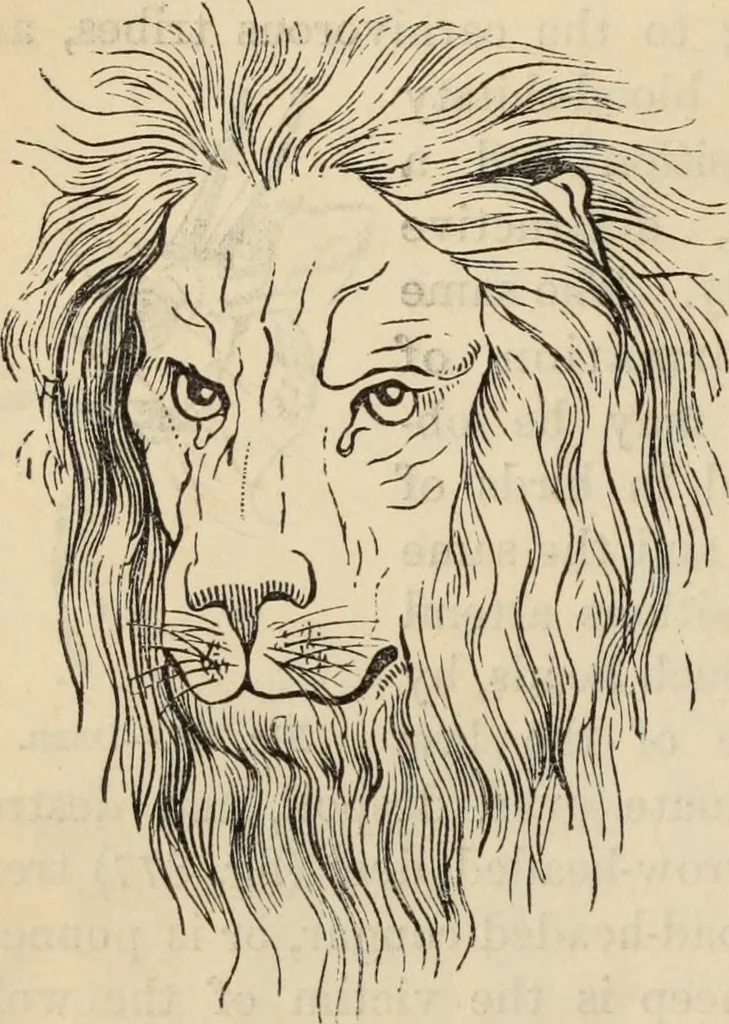
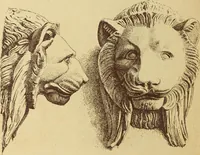
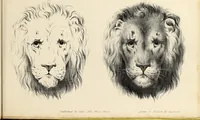
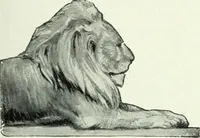
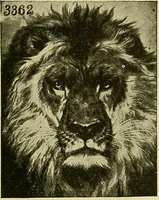
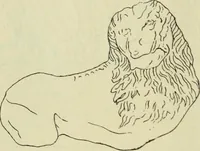
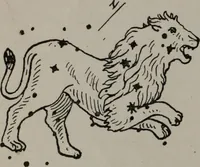
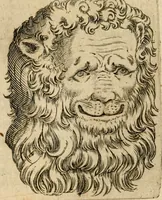
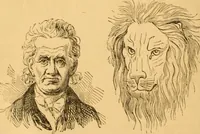
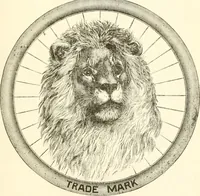
ticulars, they differ widely among themselves inothers. The lion and the fox may be cited as furnishingstriking examples of this specific difference. In both there islarge Destructiveness and a love of blood. Both prey uponthe weaker and more timid races of animals; but while theone depends upon… … The lion is proud, confident, and bold. What majesty inhis countenance ! Lavater says ; how far from mean, insid-ious cunning, ensnaring fe-rocity ! It is ferocity ofa difierent kind, of consciousstrength and superiority.In the region above theeyes appear discretion andconsider ationy…
Physiognomy · Phrenology
Internet Archive · Public Domain Mark 1.0. Free to use for anything.