New Physiognomy : or signs of character, as manifested through temperament and external forms, and especially in the "the human face divine." (1889)
Wells, Samuel R. (Samuel Roberts), 1820-1875 · New York : Fowler & Wells · leaf 615
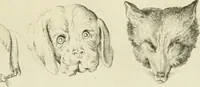
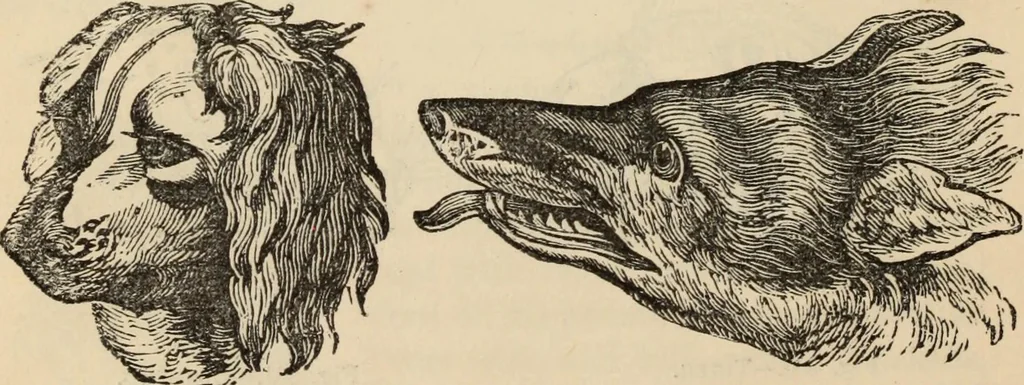
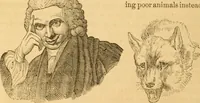
Fig. 882.—Stag. THE ^YILT^ AND THE CULTIVATED. Culture does not create new faculties. It can not lift in-stinct into the sphere of reason, but it may develop the bet-ter class of existing faculties, calling into activity and promi-nence organs which in a wild or savage state are compara- … Fig. 884.—Newfoundland Dog. Fig. 885.—Wild Dog. tively dormant. The most sagacious and affectionate New-foundland dog, after having received a finished canine education,is only a dog; yet how superior he is to the wild, uncultureddog! The two heads (figs. 884 and 885) speak for themselves. THE WILD…
Physiognomy · Phrenology
Internet Archive · Public Domain Mark 1.0. Free to use for anything.
![An illustration from Coombs's standard phrenology : exhibiting the exact phrenological admeasurements of above fifty distinguished and extraordinary personages, of both sexes : with skulls of the various nations of the world : embellished with above 50 engravings, and poetical descriptions of beauty, intellect, and physiognomy : with observations explanatory of the science, adapted to the character of [blank] (1841)](https://img.insideoutlibrary.com/img/200/ia-60221050R.nlm.nih.gov-111-47.webp)