New Physiognomy : or signs of character, as manifested through temperament and external forms, and especially in the "the human face divine." (1889)
Wells, Samuel R. (Samuel Roberts), 1820-1875 · New York : Fowler & Wells · leaf 618
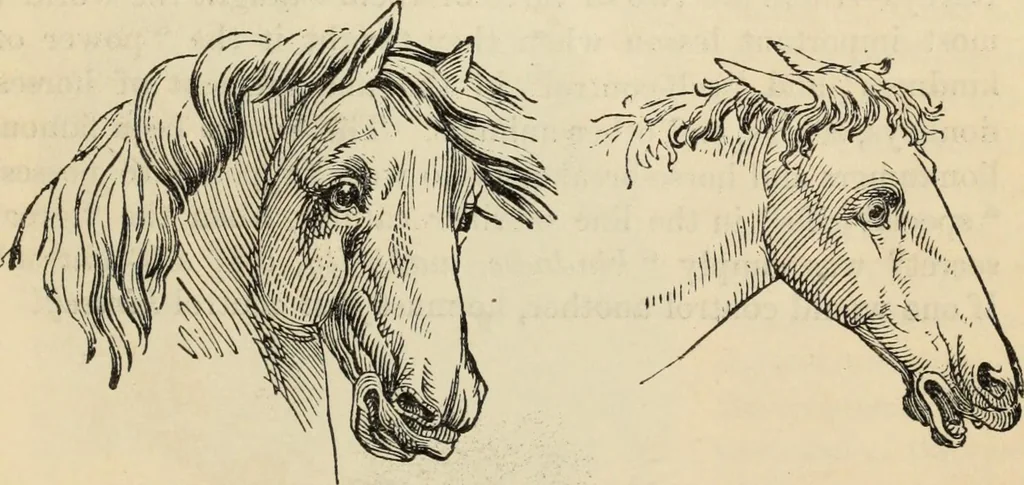
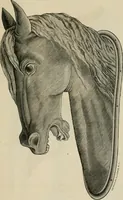
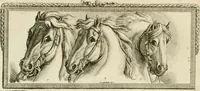
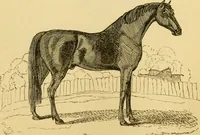
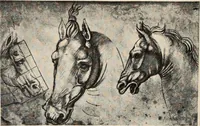
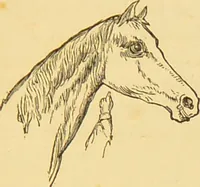
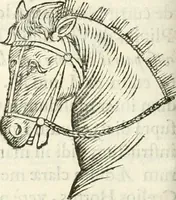
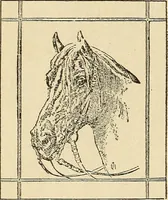
e open-mouthed savagery of the wolf Thehead is equally low and flat. In the alligator we come downto the reptile plane. How low and flat the head ! how de-based the abhorrent form ! how terrific the expression ! Wewill not dwell on it. INDIVIDUAL DIFFERENCES. In the foregoing examples we have… … Fig. 892.—A Gentle Hobse. Fig. 893.—A Vicious Horse. We observe these individual differences most perhaps in thehorse, because they affect our relations with him most seri-ously. It is important, therefore, that we be able to detectat a glance, by outward signs, the inherent qualities whichare…
Physiognomy · Phrenology
Internet Archive · Public Domain Mark 1.0. Free to use for anything.