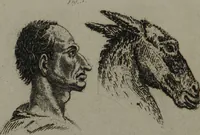
New Physiognomy : or signs of character, as manifested through temperament and external forms, and especially in the "the human face divine." (1889)
Wells, Samuel R. (Samuel Roberts), 1820-1875 · New York : Fowler & Wells · leaf 622
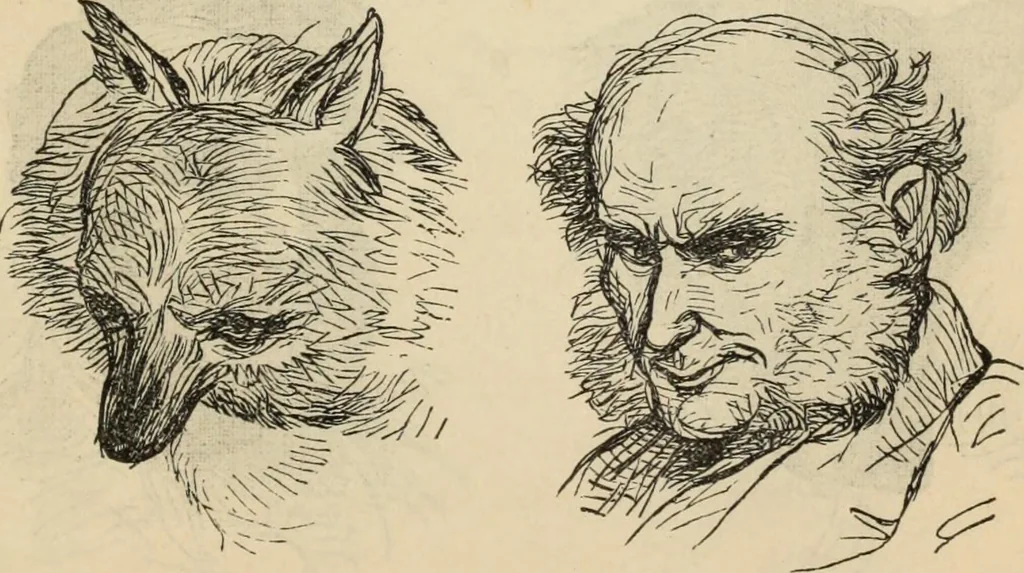
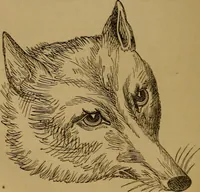
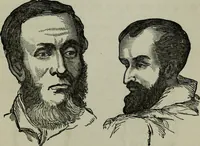
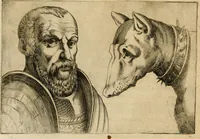
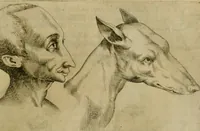
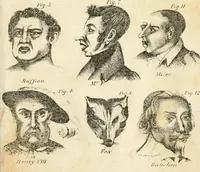
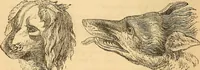
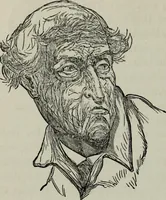
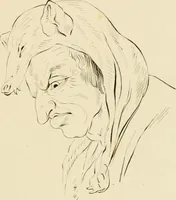
Fig. 895.—Goose. Fig. 896.—A Goosey. but he is capable of magnanimity and generosity. He maycrush the strong but spare the weak and defenseless. Hetakes counsel of his sagacity, but scorns to be merely cunning.When we call one a great bear, we hardly pay him acompliment. It may be inferred that he… … Fig. 897.—Fox, Fig. 898.—Foxr. his good qualities and be a useful member of society. Onemay be bearish and yet not unbearable. The ancients seemto have had considerable respect for the bear, in the feminine 616 COMPARATIVE PHYSIOGNOMY gender at least, for we have from the Latin the not uncommonname…
Physiognomy · Phrenology
Internet Archive · Public Domain Mark 1.0. Free to use for anything.