New Physiognomy : or signs of character, as manifested through temperament and external forms, and especially in the "the human face divine." (1889)
Wells, Samuel R. (Samuel Roberts), 1820-1875 · New York : Fowler & Wells · leaf 623
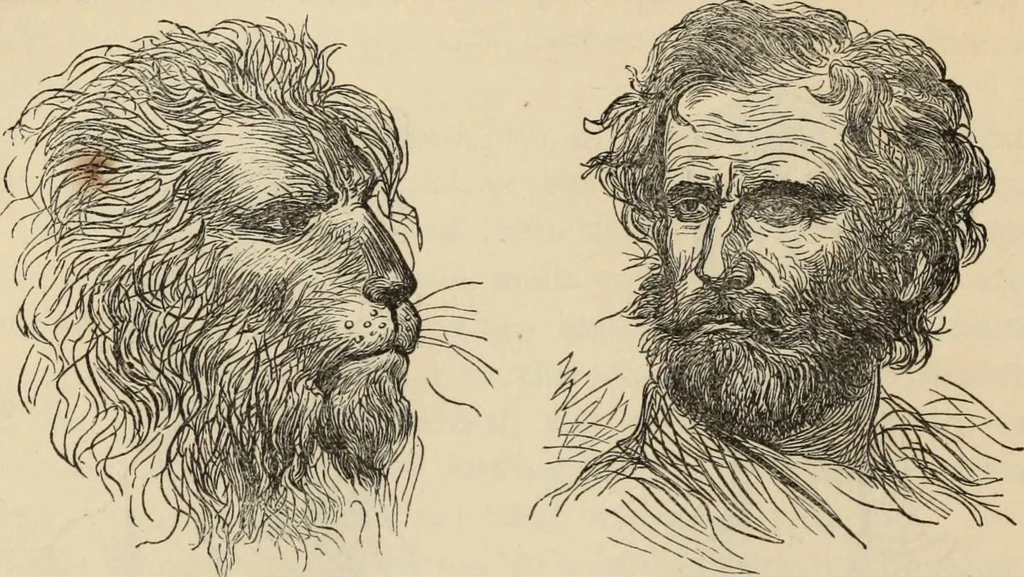
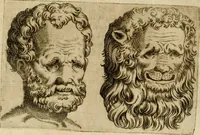
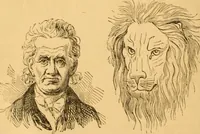
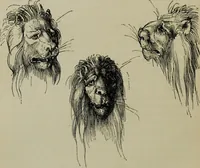
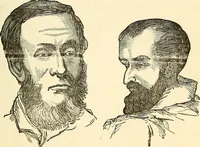
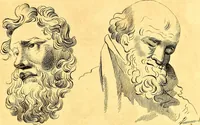
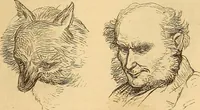
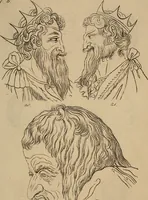
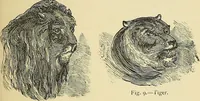
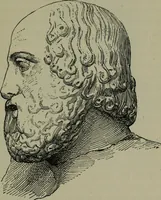
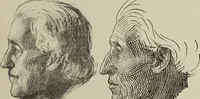
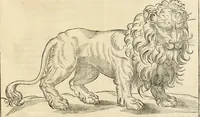
Fig. 897.—Fox, Fig. 898.—Foxr. his good qualities and be a useful member of society. Onemay be bearish and yet not unbearable. The ancients seemto have had considerable respect for the bear, in the feminine 616 COMPARATIVE PHYSIOGNOMY gender at least, for we have from the Latin the not uncommonname… … ¥\^. 899.—Lion. Fig, 900.—Lkonine. blunt, uncouth, icsiless—walking back and forth, v/ith no ap-parent object, like a bear in a cage—and when he speaks it iswith a grunt or a growl, rather than in kindly and cultivatedaccents. We sometimes meet such persons—more frequentlyon shipboard—and are…
Physiognomy · Phrenology
Internet Archive · Public Domain Mark 1.0. Free to use for anything.