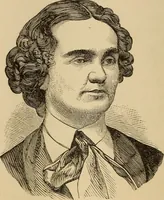
New Physiognomy : or signs of character, as manifested through temperament and external forms, and especially in the "the human face divine." (1889)
Wells, Samuel R. (Samuel Roberts), 1820-1875 · New York : Fowler & Wells · leaf 706
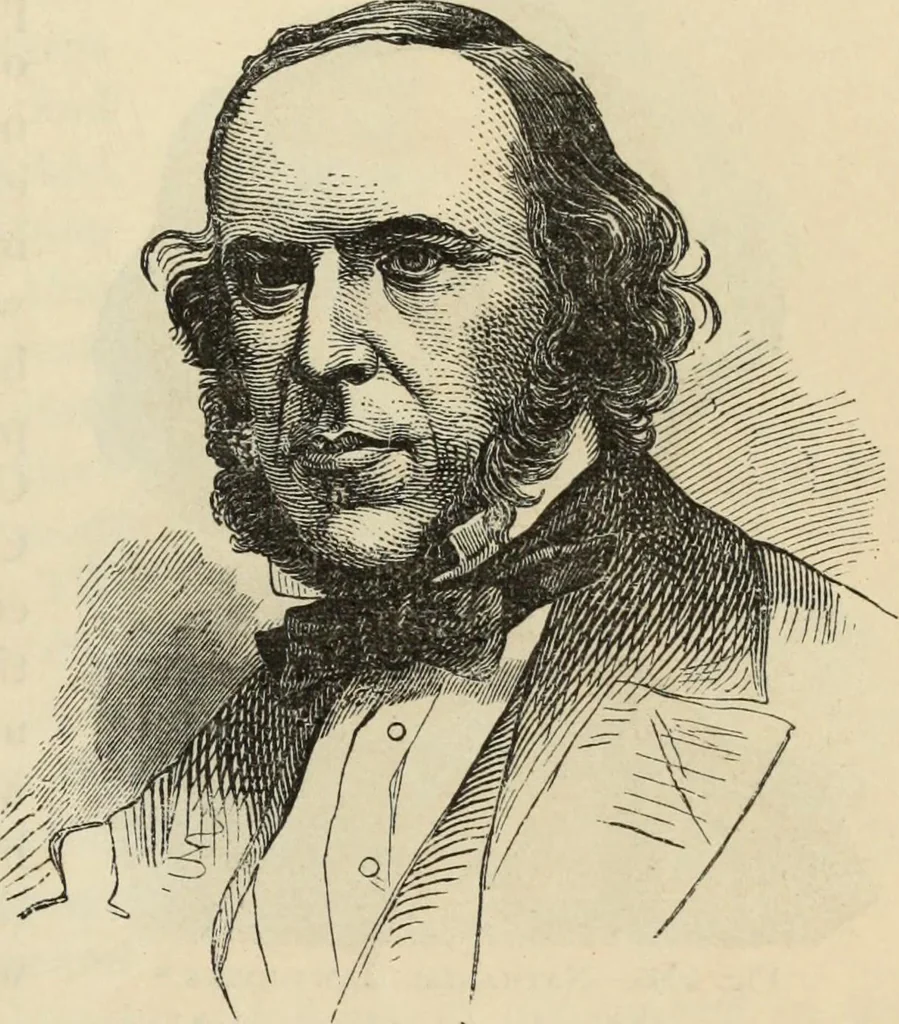
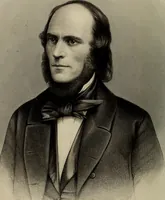
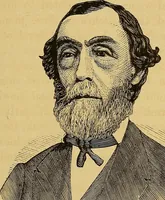
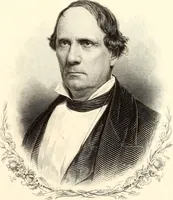
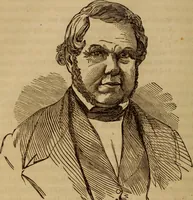
erived chietiy at home from theinstructions of his father, and of an uncle who was a clergyman. He be-came a civil engineer, but at the age of twenty-five left the profession toengage in literature. His writings are quite numerous, all of a deeplyphilosophical or metaphysical caste ; in some of… … 700 CHARACTER-READING. THE ROMAN^CE WRITER. Mr. Hawthorne possessed a large brain, the most strikingpeculiarity of which was its great height. Ideality, Mirth-fulness, Human Nature, and Comj)arison were among his most prominent qualities. Hisobserving faculties werenot small, but largeenough to…
Physiognomy · Phrenology
Internet Archive · Public Domain Mark 1.0. Free to use for anything.