New Physiognomy : or signs of character, as manifested through temperament and external forms, and especially in the "the human face divine." (1889)
Wells, Samuel R. (Samuel Roberts), 1820-1875 · New York : Fowler & Wells · leaf 736
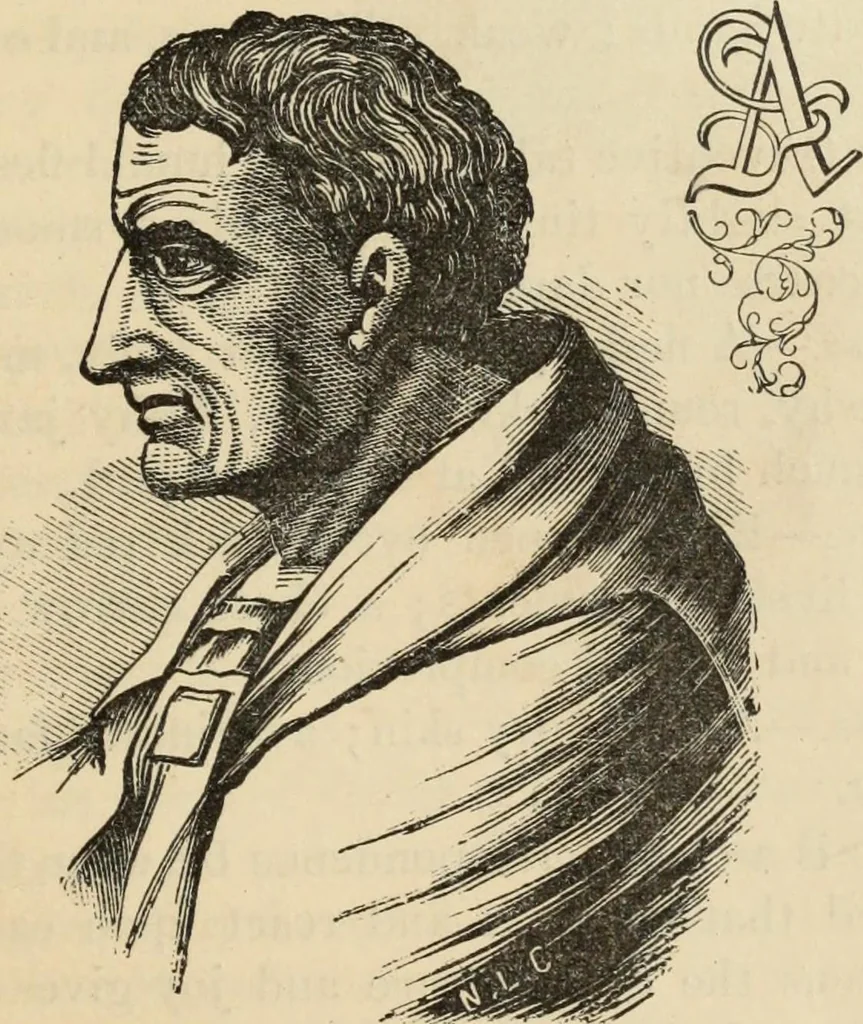
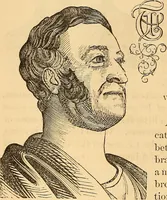
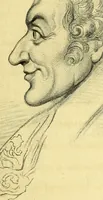
032.—Aristotle. We give his portrait as it has been handed down to us from ancient times. It isbelieved to be authentic. He had naturally h. weak constitu- ^ Aristotle, perhaps one of the greatest scholars and philosophers ofancient times, was born 884 bc, at Stagira, a Greek colony of… … 780 MISCELLANEOUS ADDENDA. tion, but his temperate habits enabled him to make the mostof it. He died at the age of sixty-three years. Aristotle wrote on Physiognomy, and though his system,so far as it has any foundation in truth, has been embodiedin later works, it may be interesting to quote here…
Physiognomy · Phrenology
Internet Archive · Public Domain Mark 1.0. Free to use for anything.