Ohio archæological and historical quarterly (1887)
Ohio State Archaeological and Historical Society · Columbus : Published for the Society by A.H. Smythe · leaf 171
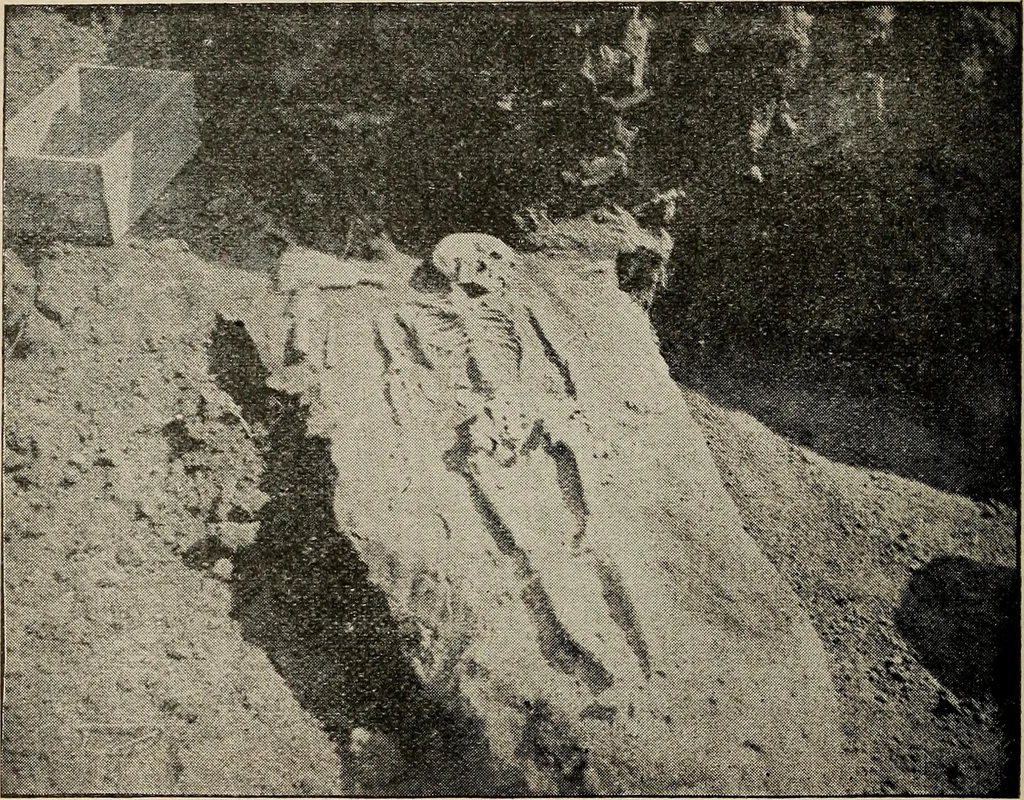
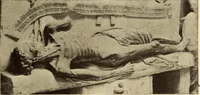
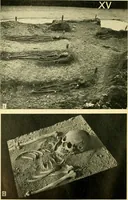
Observed, as they headedtowards all points of the compass. The fine yellow sandand gravel of the top of the kame afforded soil easy of excava-tion, and the rapid penetration of the water (when it rained)through the gravel left the bones dry and thus assured theirpreservation. There were sixty bone… … Figure XXI. Skeleton from the Largest McKenzie Mound. flint knife and a shell ornament. There were two spear-headswith another interment. These were exceedingly heavy and ill-made, being five inches long and very narrow. All these burialsdid not cover a space to exceed fifty feet square.…
History · Archaeology
Internet Archive · Allen County Public Library · Public Domain Mark 1.0. Free to use for anything.