Physiognomy : A practical and scientific treatise. Being a manual of instruction in the knowledge of the human physiognomy and organism, considered chemically, architecturally, and mathematically; embracing the discoveries of located traits, with their relative organs and signs of character, together with the three grand natural divisions of the human face (1881)
Stanton, Mary Olmstead · San Francisco : San Francisco News Company · leaf 106
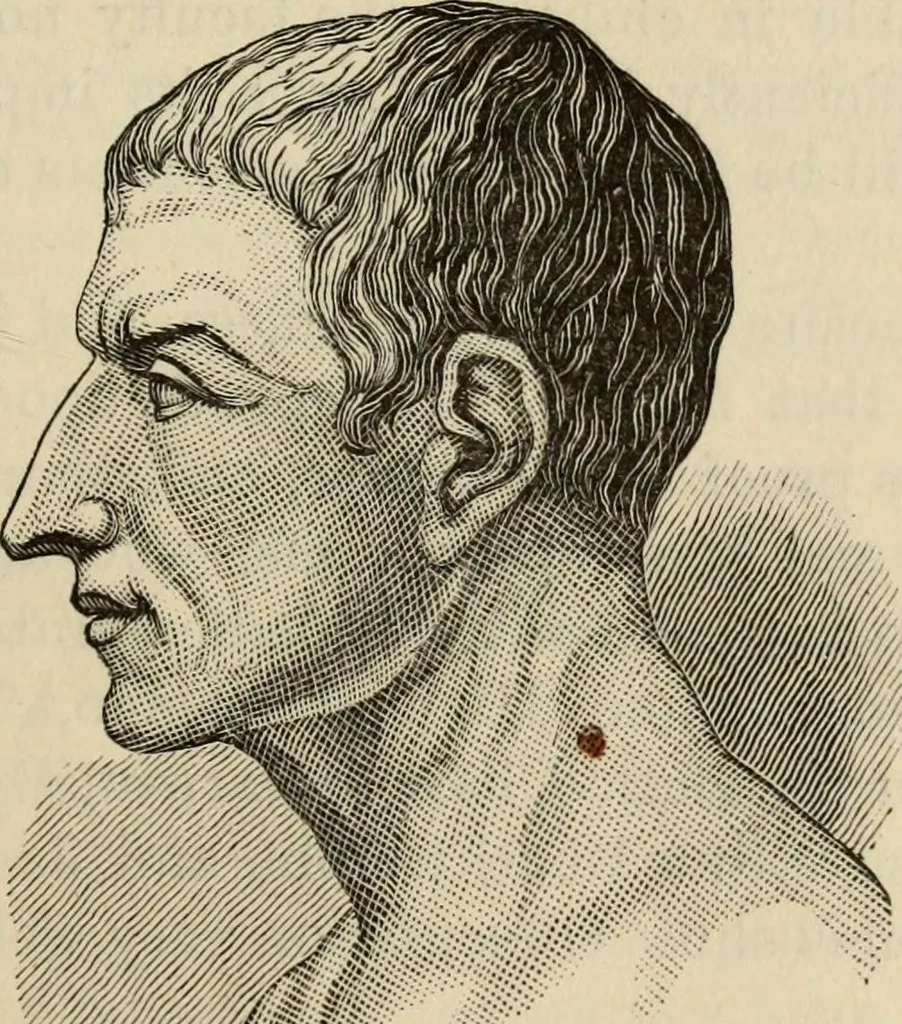
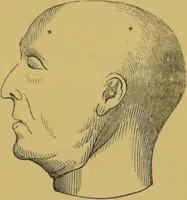
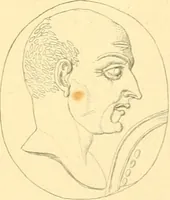
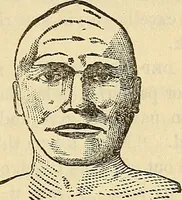
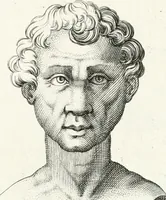
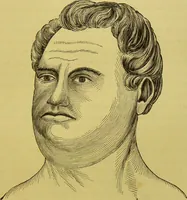
iries, ghosts,genii, dragons, and in the religious power of charms, incan-tations, and in the sanctity of certain animals, birds, andinsects. Plain sense will influence half a score of peopleat most, while mystery will lead millions by the nose, saidLord Bolingbroke. The sign of this faculty is… … CICERO. (Observation.) Marcus Tullius Cicero, Roman orator, statesman, and jurist, discloses by his facialrecord that Observation was his natural and cultivated talent. The constant use ofthe muscles at the place where the inner termini of the eyebrows approach, togetherwith the tension of the…
Phrenology · Physiognomy
Internet Archive · Brigham Young University · Public Domain Mark 1.0. Free to use for anything.
![An illustration from Recueil de trois cent têtes et sujets de composition [graphic] (1775)](https://img.insideoutlibrary.com/img/200/ia-gri_recueildetro00cayl-26-30.webp)