Physiognomy : A practical and scientific treatise. Being a manual of instruction in the knowledge of the human physiognomy and organism, considered chemically, architecturally, and mathematically; embracing the discoveries of located traits, with their relative organs and signs of character, together with the three grand natural divisions of the human face (1881)
Stanton, Mary Olmstead · San Francisco : San Francisco News Company · leaf 96
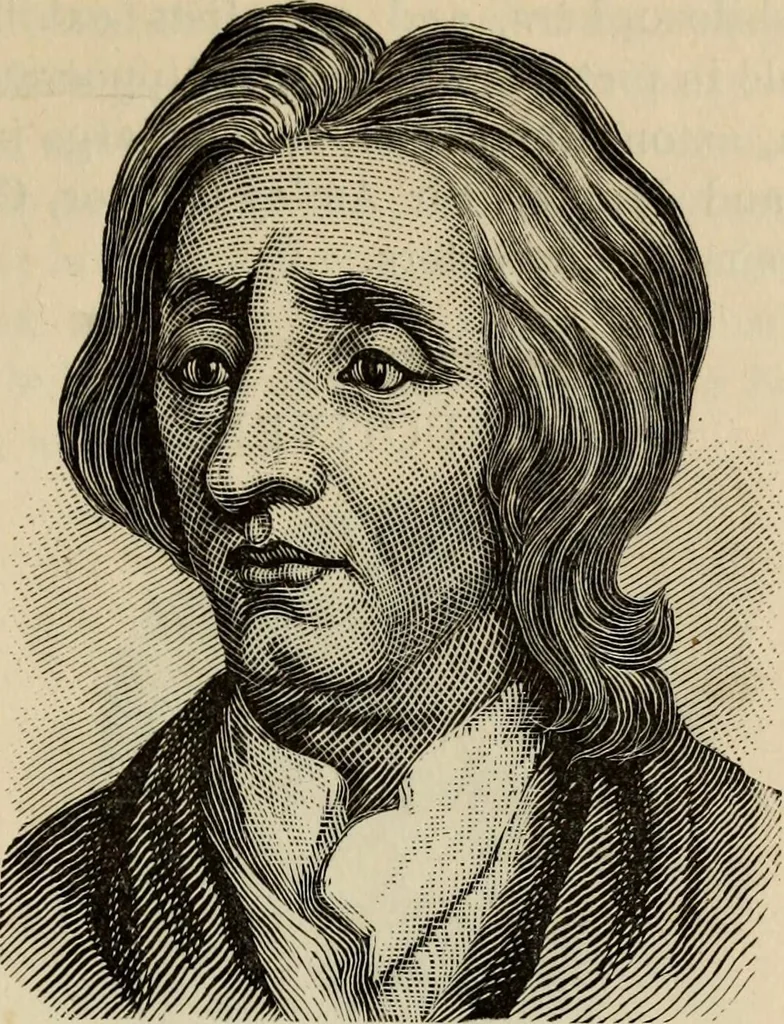
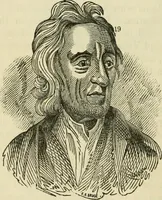
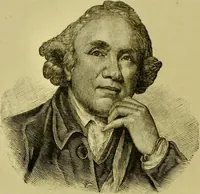
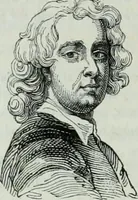
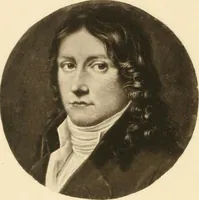
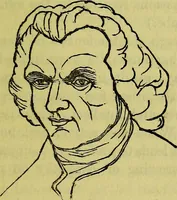
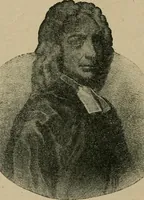
oseswhich rise high above the plane of the face at the tip indicatea far-seeing understanding of human nature and of all nature,combined with a love for its study and investigation. Ex-amine the noses of Aristotle, Porta, Lavater, and Simms, inthe front of the Introduction to this volume, for… … JOHN LOCKE. (Human Nature.) Human Nature large. John Locke, the celebrated English philosopher, is notedfor his Essay on the Human Understanding. It shows him to have had the abilityto penetrate the inmost recesses of the human mind. His nose, rising high abovethe plane of the face at its tip, is a…
Phrenology · Physiognomy
Internet Archive · Brigham Young University · Public Domain Mark 1.0. Free to use for anything.