The pith of astronomy <without mathematics>; the latest facts and figures as developed by the giant telescopes; (1896)
Bayne, Samuel G. (Samuel Gamble), 1844-1924 · New York, Harper & brothers · leaf 154
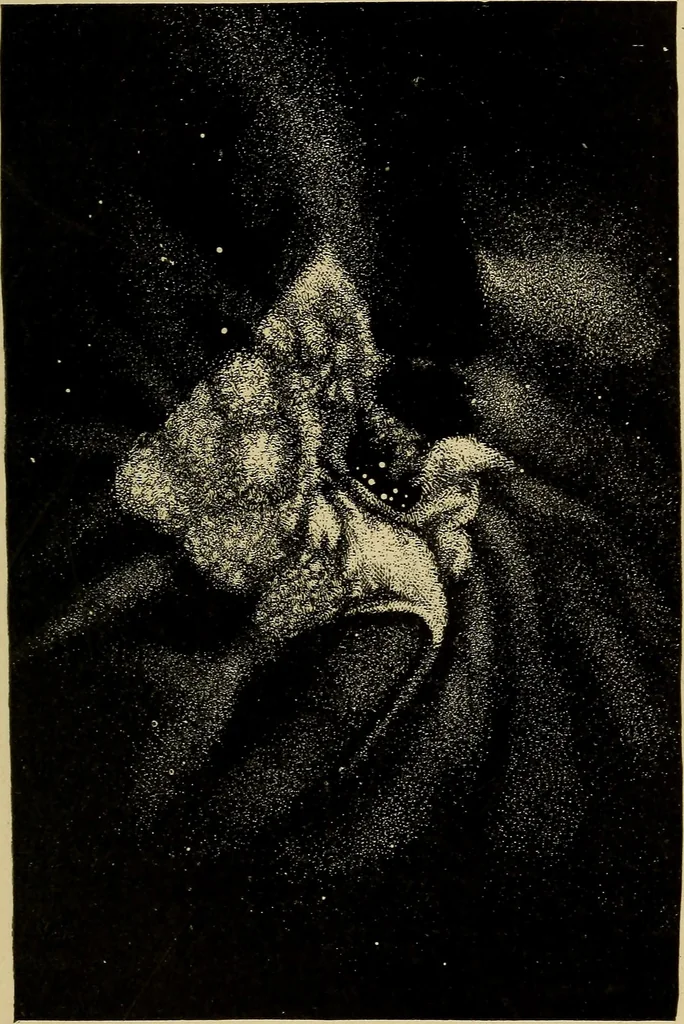
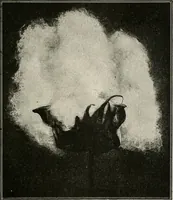
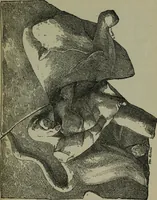
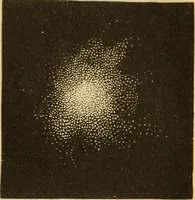
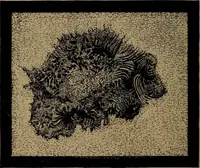
ation.A second is found in Aquarius, andshows a sphere in the process of throw-ing off a ring; this ring may in timecondense and form a satellite. A thirdmay be seen in Pegasus, which is sur-rounded by rings of gaseous spirals.Two of the most celebrated are foundin the constellations of Andromeda… … THE GREAT NEBULA ABOUT THE MULTIPLE STAR ORIONIS,IN THE CONSTELLATION OF ORION NEBULA 105 ing gas, so large that our entire solarsystem would be lost in it. It is one ofthe great startling sights of the sky,and those who are privileged to see itthrough a large instrument can neverforget it. In many…
Astronomy
Internet Archive · Library of Congress · Public Domain Mark 1.0. Free to use for anything.