The pith of astronomy <without mathematics>; the latest facts and figures as developed by the giant telescopes; (1896)
Bayne, Samuel G. (Samuel Gamble), 1844-1924 · New York, Harper & brothers · leaf 28
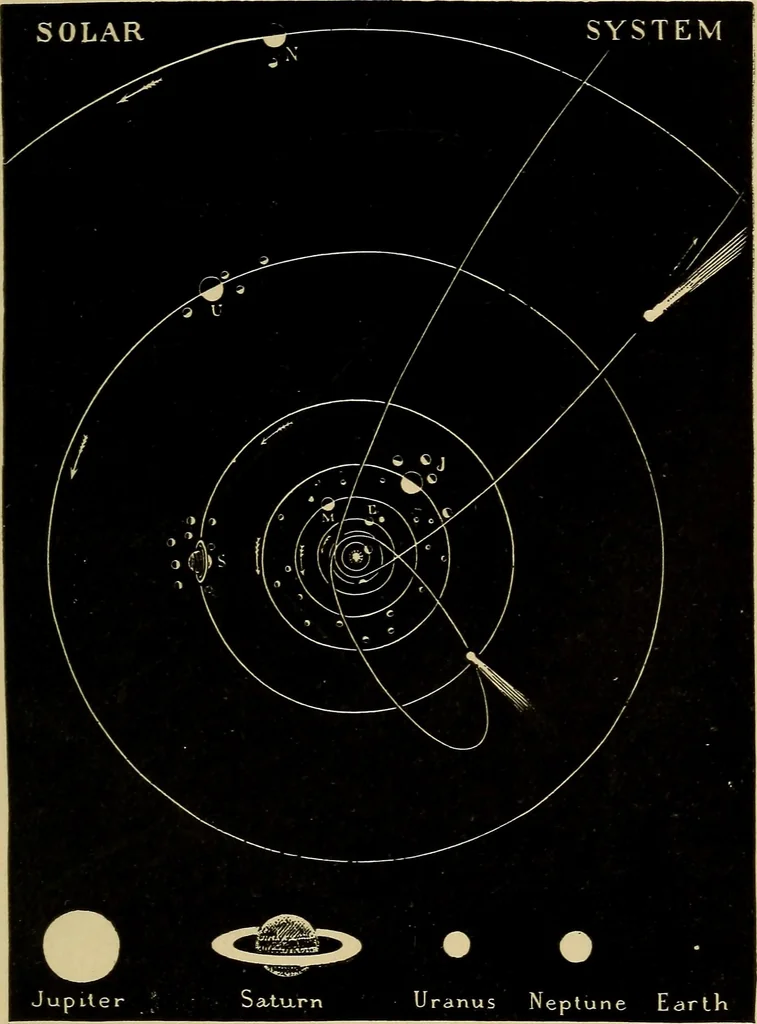
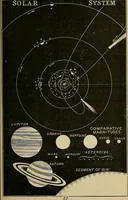
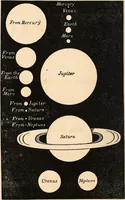
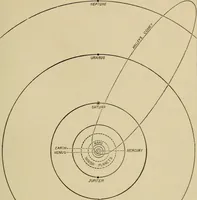
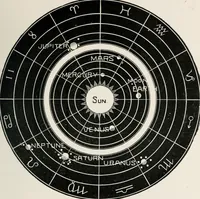
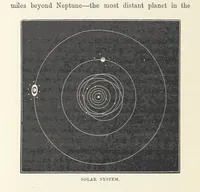
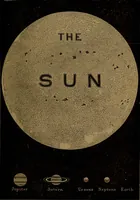
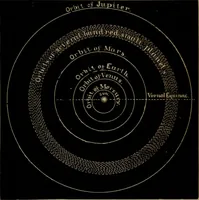
e that the four planets near-est the sun—namely, Mercury, Venus,the earth, and Mars—are the smallestand densest, and each turns on its axisin about the same time, while the fouroutside giant planets—Jupiter, Saturn,Uranus, and Neptune—rotate in aboutten hours, and are the planets of theleast… … ORBITS AND COMPARATIVE SIZES OF THE PLANETS INTHE SOLAR SYSTEM THE SOLAR SYSTEM 5 These comets describe ellipses in theircourses, and turn on the sun close tothat orb, then run out into space, toreturn again in what is called theirperiod—that is, the term of years thatis consumed in completing…
Astronomy
Internet Archive · Library of Congress · Public Domain Mark 1.0. Free to use for anything.