The pith of astronomy <without mathematics>; the latest facts and figures as developed by the giant telescopes; (1896)
Bayne, Samuel G. (Samuel Gamble), 1844-1924 · New York, Harper & brothers · leaf 94
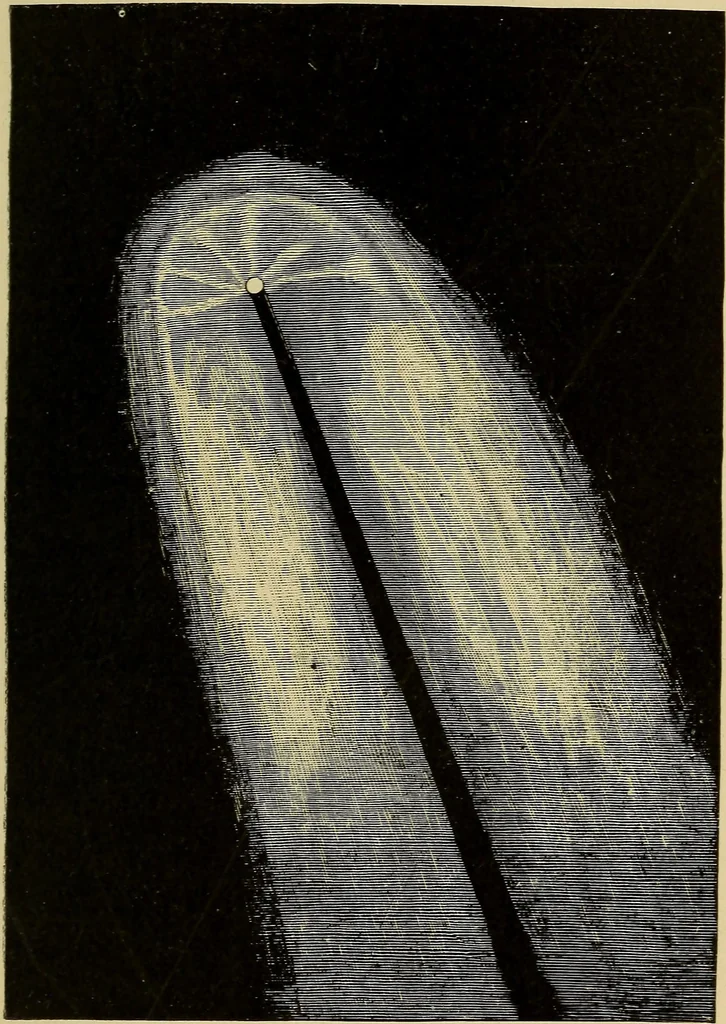
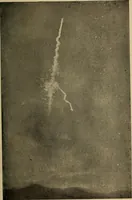
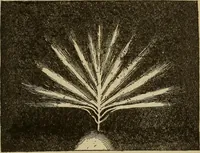
heLatin word coma, meaning hair. Com-ets are celestial bodies which moveround the sun in greatly elongated or-bits, usually elliptical or parabolic. A comet usually consists of a brill-iant point surrounded by nebulous light,which extends backward in the form ofa tail or train. The nucleus or… … THE COMET OF 1881, AS SEEN THROUGH PROFESSORDRAPERS TELESCOPE, JUNE 27 COMETS 57 is nothing but a sand-bank ; that is, itis a swarm of solid particles of unknownsize and widely separate, say pinheadsseveral hundred feet apart, each particlecarrying with it an envelope of gas,largely hydrocarbon, in…
Astronomy
Internet Archive · Library of Congress · Public Domain Mark 1.0. Free to use for anything.