Proportion, or, The geometric principle of beauty, analysed (1843)
Hay, D. R. (David Ramsay), 1798-1866 · Edinburgh and London, W. Blackwood and Sons · leaf 54
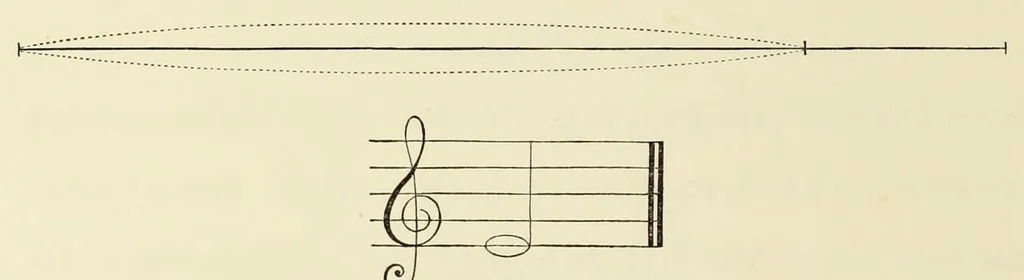
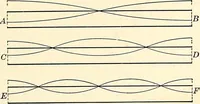
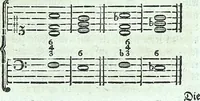
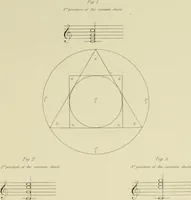
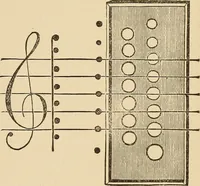
88 GEOMETRIC PRINCIPLE OF BEAUTY ANALYSED. parts being rendered quiescent, the vibrations will then be found to be in point of rapidity relatively to the tonic as 5 to 4, producing the next consonant note E, the third degree or mediant. Fig. 30. … If, when the string is divided by three, one-third part instead of two was made to vibrate, the note produced would be the harmonic, called a twelfth, and its vibrations would be to those of the original note as 3 to 1. And if, when the string is divided by five, one in- stead of four of those…
Proportion (Art)
Internet Archive · Getty Research Institute · Public domain (published before 1931). Free to use for anything.