Inside Out Library · Explore

Scientific American, Vol. 26, No. 11 (March 1872) (1872)

leaf 3

An illustration from Scientific American, Vol. 26, No. 11 (March 1872), 1872, leaf 3
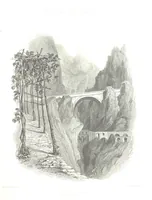
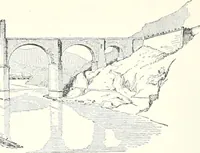
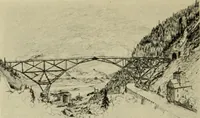
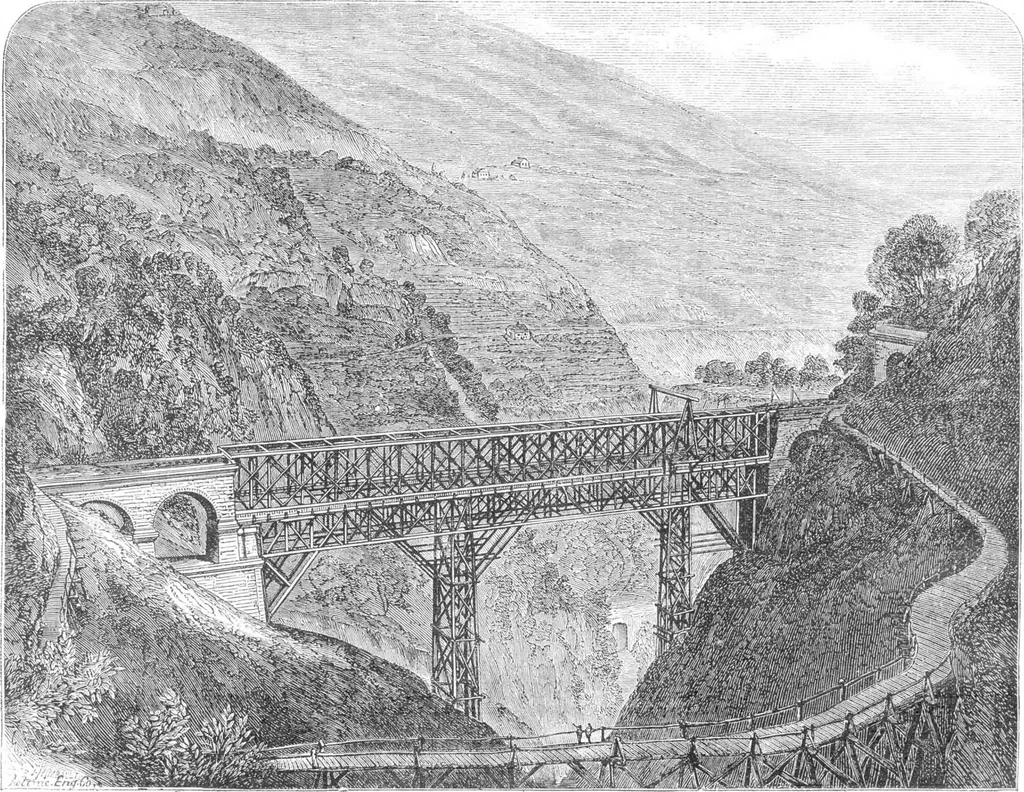
s, where, under a heavy heat,more sulphur is driven off, and the silica or gangue matter ismade to unite with the oxide of iron to form a slag. At theend of the smelting, some eight or ten tuns are thus reducedto one called matte, containing from $1,500 to $2,000 inthe precious metals, and from… … THE COMBA SCXTEA BRIDGE-MONT CENIS RAILWAY. © 1872 SCIENTIFIC AMERICAN, INC March 9, 1872.] Jfrbnttffc JlMtat 163 calcining furnaces, capable of reducing from twenty totwenty-five tuns of ore per day. The tailings, which areconcentrated along the streams, and are also sold to this es-tablishment,…

Patents · Iron · Tuns · Machine · Heat · Specific heat · Wrought iron · Wood flume · Scientific American · Second third · Hot air · Gun cotton · Transverse strain · Beet sugar · Portable steam

Internet Archive · Public Domain Mark 1.0. Free to use for anything.
More pictures from Scientific American, Vol. 26, No. 11 (March 1872)

More like this