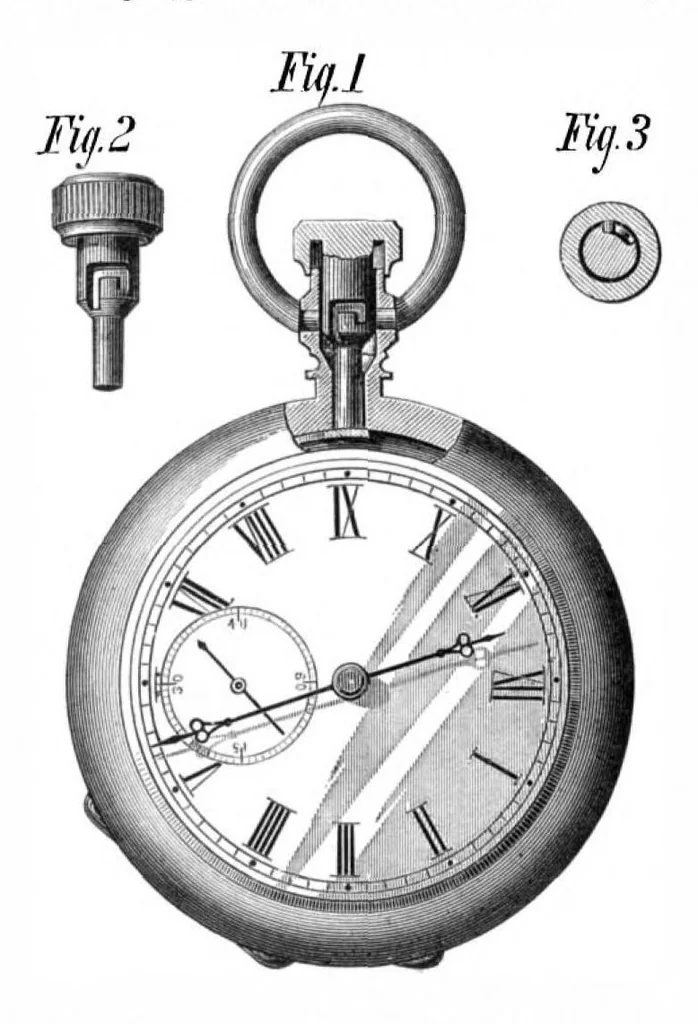
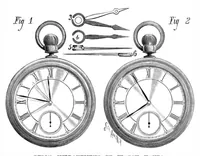
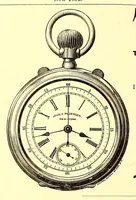
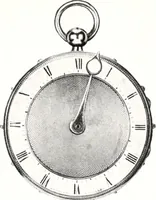
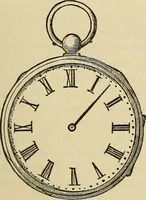
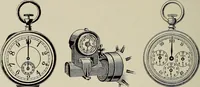
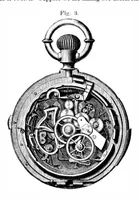
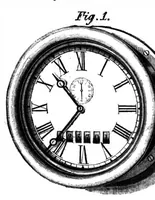
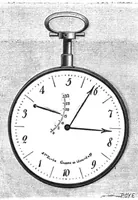
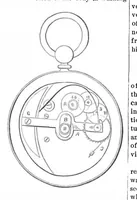
eces of one half the commutator, while don, England. the other is always in connection with the other half. Hence < «i> » one transmits the positive and the other the negative currents. DUEBBB'S IHFBOTED WATCH CASE. When the machine is set in motion, a current is produced The obvious advantage of… … prevents the currents being changed during periods of rest, no necessity for carrying a separate key. But many consider so that no preliminary examination of the currents is neces- that the annoyance of lost or mislaid keys is of less impor- ary before at once setting the apparatus in operation.…
Patents · Improved · Consists · Machine · Cobalt · Iron · Nickel · Scientific American · Apparatus · Sewing machine · Trade catalogs · Horse power · Working men · Breech block · Terrestrial attraction · Surface density · Cash gifts · American supplement
Internet Archive · Public domain (published before 1931). Free to use for anything.