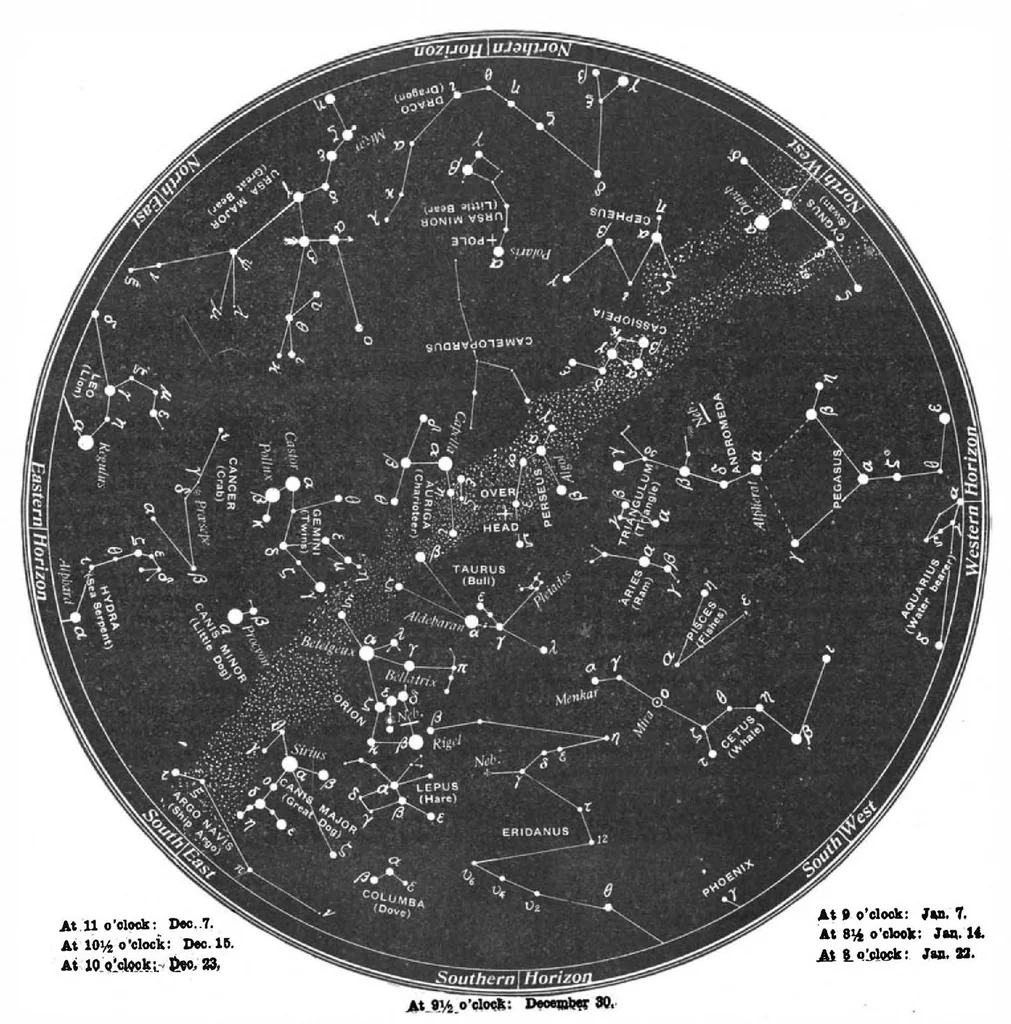
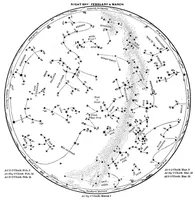
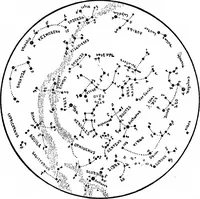
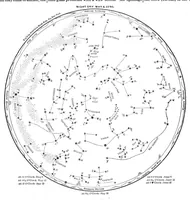
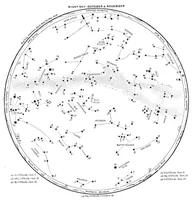
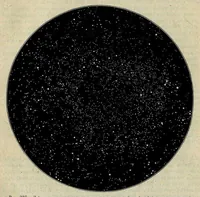
t stars of this group are actually receding from us, all at the same rate—25 double. Origin of Gold Deposits. Below Orion -is Canis Major, whose brightest star, miles per second. The current theory of the formation of gold-bearing Sirius, so far outshines all its neighbors (and indeed That not only… … When we look at such stant presence, in those Ati'A.o'eiocJt: December 80. clusters of stars as the strata, of heavy basic NIGHT SKY: DECEMBER AND JANUARY Pleiades or the more wide- rocks, containing diorite, ly scattered Hyades, the amphibolic schist, and dia- question naturally arises: base,…
Construction · Apparatus · Railroad · Patents · Speed · Average speed · Scientific American · Expansion coils · York city · American supplement · Rolling stock · Moving picture · Picture machine · York central · Cubic yards
Internet Archive · Public domain (published before 1931). Free to use for anything.