Textile fabrics and their preparation for dyeing : with numerous engravings and diagrams (1906)
Hummel, J. J. (John James), d. 1902, Hasluck, Paul N. (Paul Nooncree), 1854-1931, Foster, A. R · Philadelphia : David McKay · leaf 14
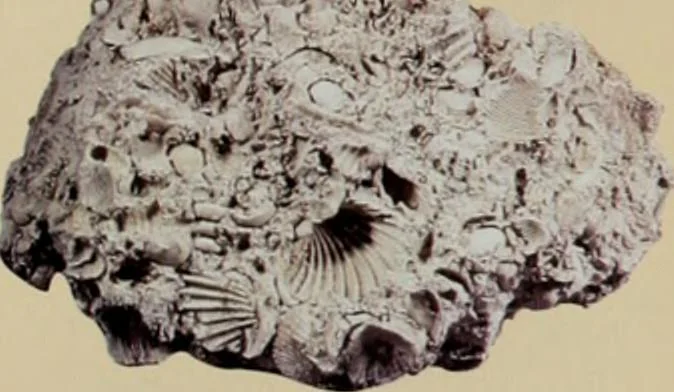
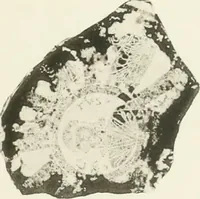
peo-ple who explore caves are calledspelunkers. ^ These two spelunkers are exploringthe biggest cave system in theworld—Mammoth Caves in Kentucky,which run 347 miles underground. FOSSIL FIND Did you know that most fossils are found in sedimentary rocks, such as limestone? The reason is simple. When… … A This limestone shows the presence ofmarine fossils. Egyptians carved lime-stone into coffins called sarcophagi Isar-KA-fuh-giel, a word that literally meansflesh-eating stone. Schist, full of recrystallized ^v minerals, comes from shale or mud that has been cooked within the -C : » ■ Earth. /4*
Dyes and dyeing
Internet Archive · Public Domain Mark 1.0. Free to use for anything.
![An illustration from The Bishop collection : investigations and studies in jade : [volume two] (1906)](https://img.insideoutlibrary.com/img/200/met-p16028coll4_39540-17-4.webp)