The textile fibres of commerce. A handbook on the occurrence, distribution, preparation, and uses of the animal, vegetable, and mineral fibres used in cotton, woollen, paper, silk, brush, and hat manufactures (1902)
Hannan, William I · London : C. Griffin · leaf 214
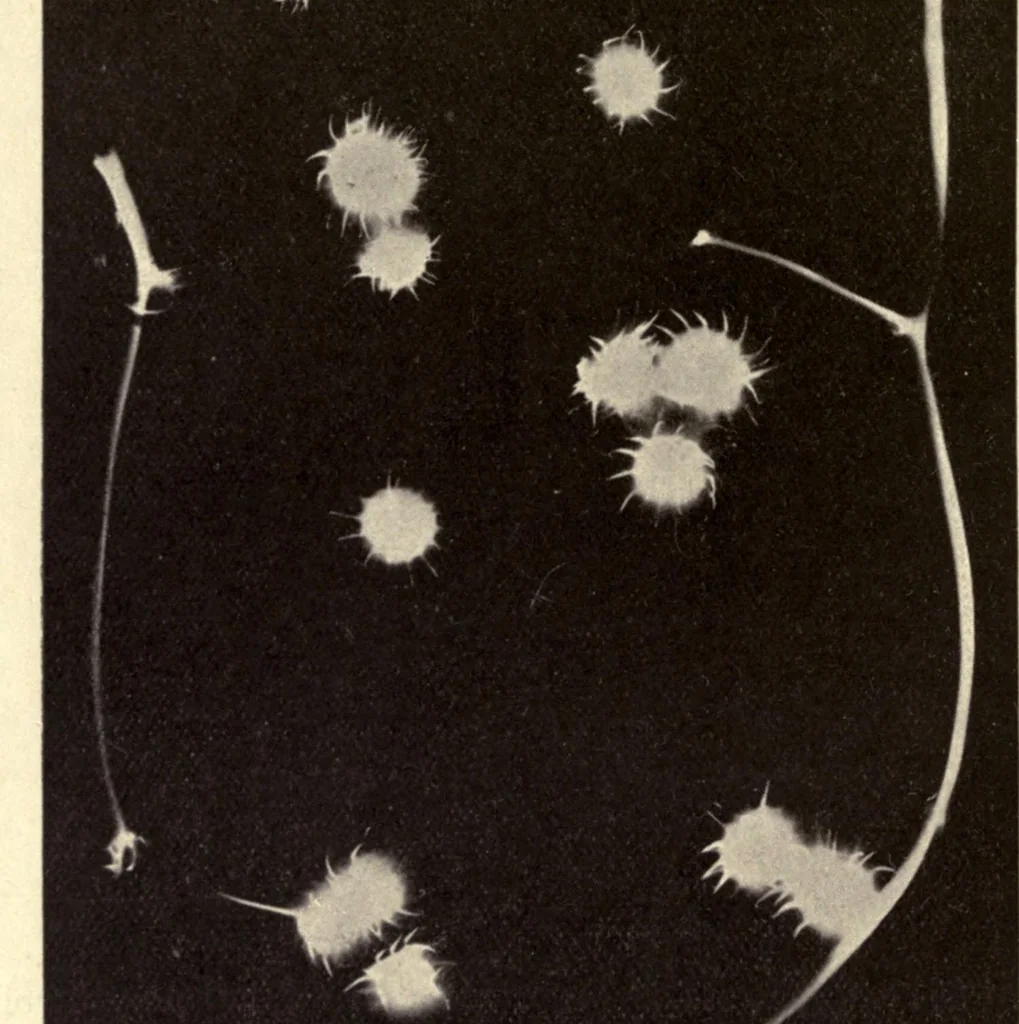
lamb during its first shearing. These fibres are characterised by a curly appearance and pliable staple, and are adapted to spin a high class of counts. The basal parts of the fibres, at their insertion, have a tendency to cohere together and assume a tufty appearance. Fig. 123 shows fibres of… … Fig. 121.— Spines of Medick (magn.). grazed. The sheep which inhabit the plains of Ireland are larger in size than ordinary, and are noted for their unusually long-stapled wool, which has lately been much more used in quantity and improved in quality. Northumberland Hog's Wool Fibres. — Fig. 124…
Textile fabrics
Internet Archive · University of California Libraries · Public domain (published before 1931). Free to use for anything.