Twentieth century handbook for steam engineers and electricians, with questions and answers; a practical nontechnical treatise .. (1916)
Swingle, Calvin F. (Calvin Franklin), b. 1846 · Chicago, F.J. Drake & company · leaf 271
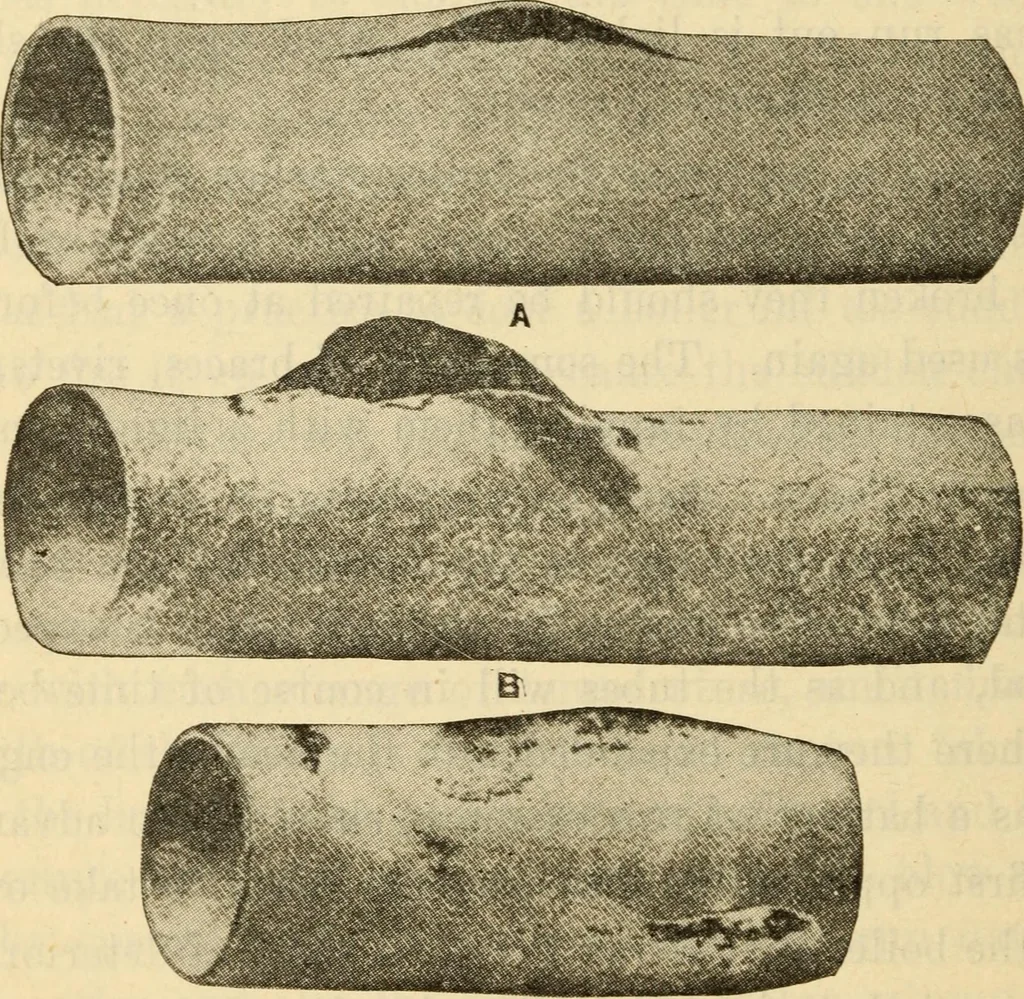
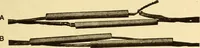
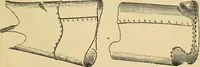
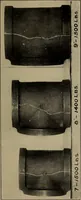
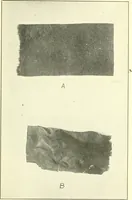
ends, making them almost asgood as new. All tube failures reduce to four classes: (1) Pitting, which causes pin holes to be formed. (2) Defective welds, which cause the tube to open, asin A, Fig. 101. 258 Steam Engineering (3) An initial bagging resulting in a rupture, as in B. (1) Scabbing and… … Fig. 101photographs showing distention of tubes at point of RUPTURE In the other cases, the tubes become larger than theiroriginal size, hence they cannot be drawn through the tubesheet, water-leg or header, unless they are split and collapsedinch by inch for their entire length beyond the point…