The watch; its construction, its merits and defects, how to choose it, and how to use it (1860)
Piaget, Henry F · New York, Printed by C. Vinten for the author · leaf 25
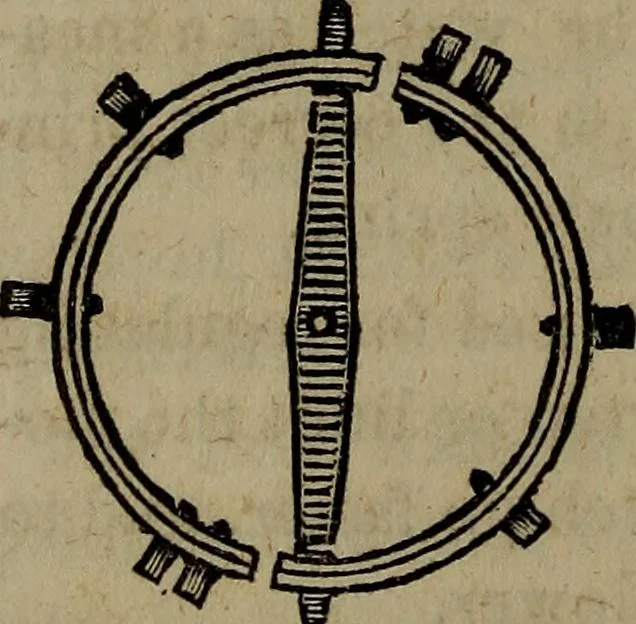
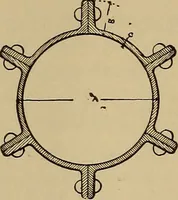
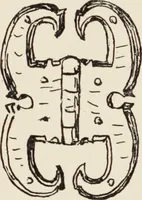
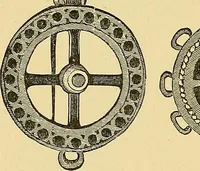
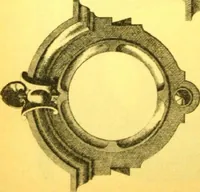
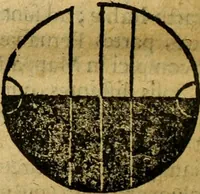
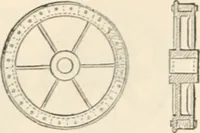
ed compensa-tion, and is obtained from the different degrees of ex-pansion in metals, and for this purpose the compensa-ting balance is applied to goodwatches. The compensation ba-lance has its circumference com-posed of two metals, brass at theextremity and steel within : andas the rim is cut in… … 17 of the rim which is cut, to be brought nearer the cen-tre, and this motion is so regulated by means of screwsor weights, as to compensate tor the expansion, andenable the watch to measure equal time, under the dif-ferent degrees of heat and cold. But compensation balances should not be used…
Clocks and watches
Internet Archive · Library of Congress · Public Domain Mark 1.0. Free to use for anything.