Weave construction and cloth analysis : glossary of weaves, elementary textile designing, analysis of cotton fabrics, analysis of woolen and worsted fabrics, twill weaves and derivatives, satin and other weaves, combination weaves, construction of spot weaves, weaves for backed cotton fabrics (1905)
International Correspondence Schools · Scranton, Pa. : International Textbook Co. · leaf 142
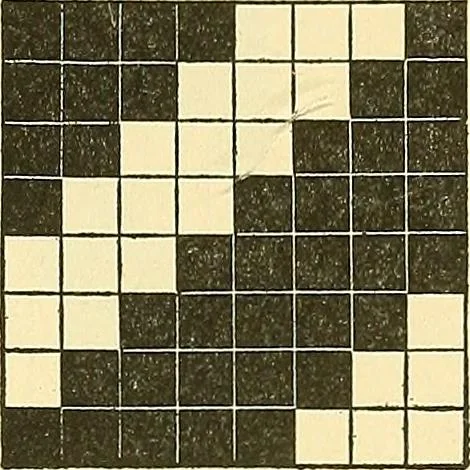
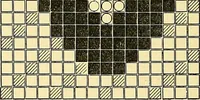
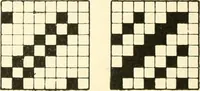
is to run to the left.Proceed with each pick171 the same way, moving07ie to the right or left, as the case 77iay be, until the7X are as 7tia7iy picks as ends, when the weave will be completed. 7. Angles of Twills.—The angle of a twill is afiected:(1) by the manner in which the ends and picks… … Fig. 12 In the first twill line at the bottom, the twill moves foursquares filling way, or across the design, and then one squareup; by this means an angle of 14° is formed. In the nextcase the twill moves three squares filling way and then onesquare warp way, forming an angle of 18°. In the next…
Textile industry · Textile fabrics
Internet Archive · UMass Dartmouth, Claire T. Carney Library · Public Domain Mark 1.0. Free to use for anything.