The wonders of the heavens, being a popular view of astronomy, including a full illustration of the mechanism of the heavens; embracing the sun, moon, and stars, with descriptions of the planets, comets, fixed stars, double stars, the constellations, the galaxy, or milky-way, the zodiacal light, aurora borealis, or norhtern lights, meteors, clouds, falling stars, aërolites, &c (1837)
Bradford, Duncan. [from old catalog] · Boston, American stationers company · leaf 186
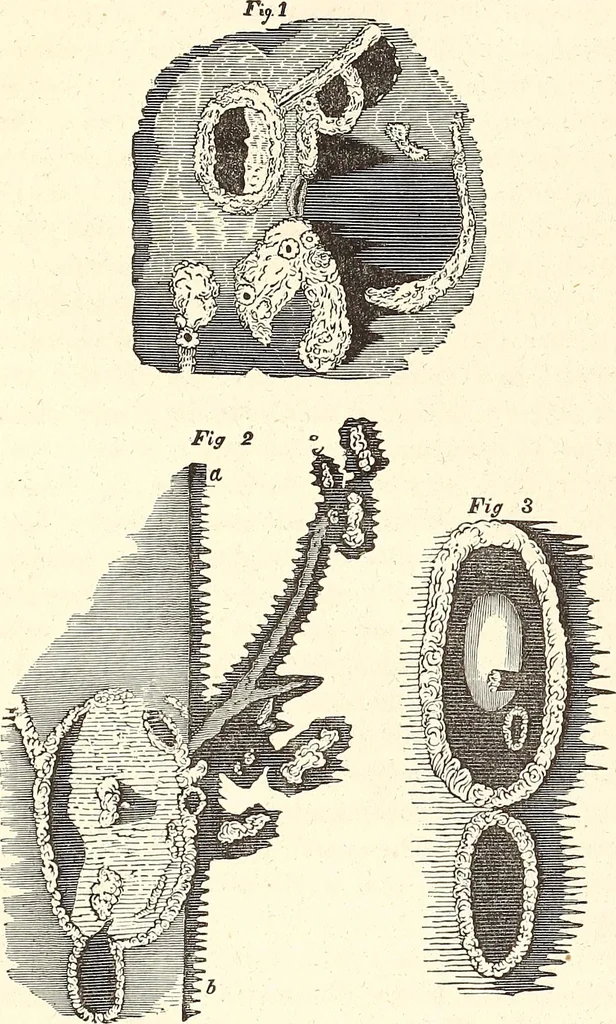
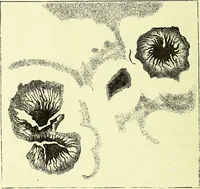
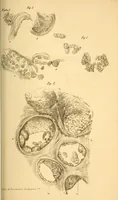
nches and threequarters, Olbers discovered two small craters,which were wanting in Shroeters charts. Shroeterhad frequently examined this part of the moon, buthad not perceived the slightest traces. He, how- 142 WONDERS OF THE HEAVENS ever, at last perceived the largest of them, whichwas uncommonly… … brilliant spot, called Aristarchus, in the north-eastquarter of the moons surface. Figure 2 representsthe spot called Gassendi, in the south-east quarter,the dark edge a b representing the boundary be-tween the illuminated and obscure portion of herdisc. Figure 3 is a spot called Hevelius,…
Astronomy
Internet Archive · Library of Congress · Public Domain Mark 1.0. Free to use for anything.