The wonders of the heavens, being a popular view of astronomy, including a full illustration of the mechanism of the heavens; embracing the sun, moon, and stars, with descriptions of the planets, comets, fixed stars, double stars, the constellations, the galaxy, or milky-way, the zodiacal light, aurora borealis, or norhtern lights, meteors, clouds, falling stars, aërolites, &c (1837)
Bradford, Duncan. [from old catalog] · Boston, American stationers company · leaf 196
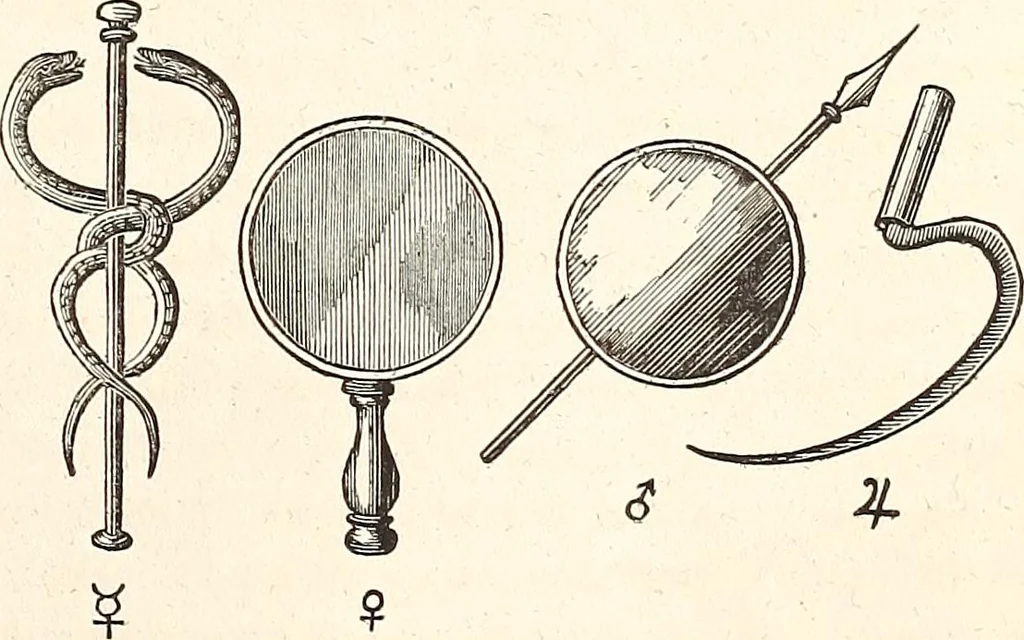
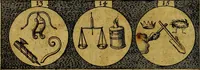
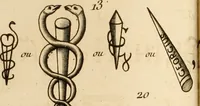
ferent periods of time. The planets may be considered as so manyearths, enlightened and warmed by the sun indifferent degrees, inhabited by creatures rationaland irrational, and, it may be, very different fromthose on our globe. To inhabitants of these planetsthe earth, if visible, would appear… … ta; t? Juno; ? Ceres; / Pallas; ^ Jupiter;h Saturn; ^ Herschel. An origin has been n.imuwij jn niyMJMMtiHaM oafiBORKBiea! 150 WONDERS OF THE HEAVENS ascribed to these characters which will be under-stood by a reference to the accompanying plate.They were taken from the symbols of those…
Astronomy
Internet Archive · Library of Congress · Public Domain Mark 1.0. Free to use for anything.