The wonders of the heavens, being a popular view of astronomy, including a full illustration of the mechanism of the heavens; embracing the sun, moon, and stars, with descriptions of the planets, comets, fixed stars, double stars, the constellations, the galaxy, or milky-way, the zodiacal light, aurora borealis, or norhtern lights, meteors, clouds, falling stars, aërolites, &c (1837)
Bradford, Duncan. [from old catalog] · Boston, American stationers company · leaf 217
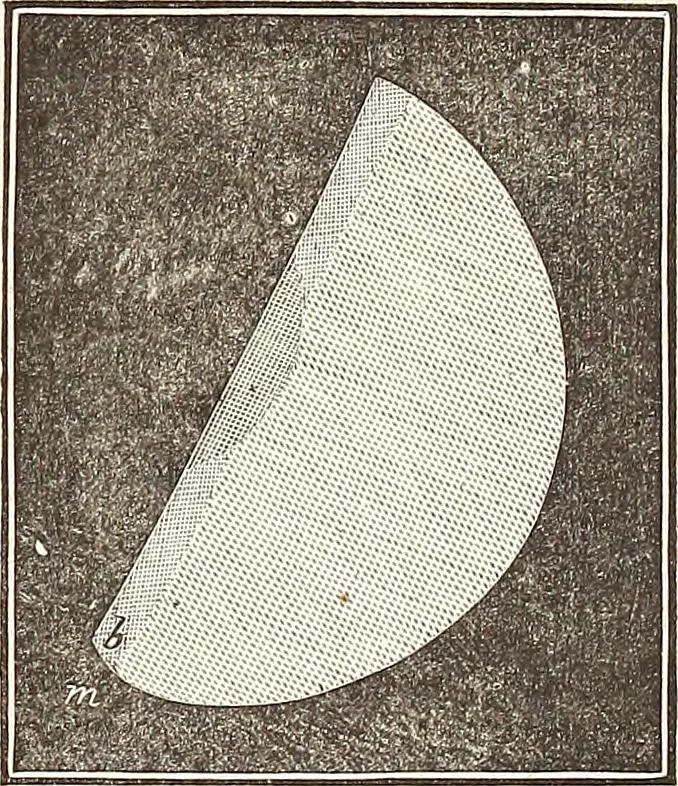
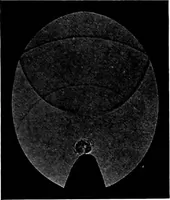
s Schroeter inferred,from the illumination of its cusps when it is nearits inferior conjunctions, vi^hen the enlightened endsof its horns reach far beyond a semicircle. This astronomers observations led him to someresults different from Herschels. He discoveredseveral mountains, and found that,… … eleventh of January, 1790, the southern horn b ofVenus appeared much blunted, with an enlightenedmountain m in the dark hemisphere near twenty-two miles high. In order to deterrnine the time of the planetsrotation, Schroeter observed the different shapes ofthe horns. Their appearance generally…
Astronomy
Internet Archive · Library of Congress · Public Domain Mark 1.0. Free to use for anything.